Recharge for Growers
The Issue
In many parts of California, especially the San Joaquin Valley, groundwater is being pumped faster than it can be replenished. This overdraft leads to declining groundwater levels, increased pumping costs, and long-term threats to the viability of agriculture. As the Sustainable Groundwater Management Act (SGMA) is implemented, farmers are facing increasing pressure to reduce groundwater use and adopt practices that protect groundwater resources.
Recharge as a Solution
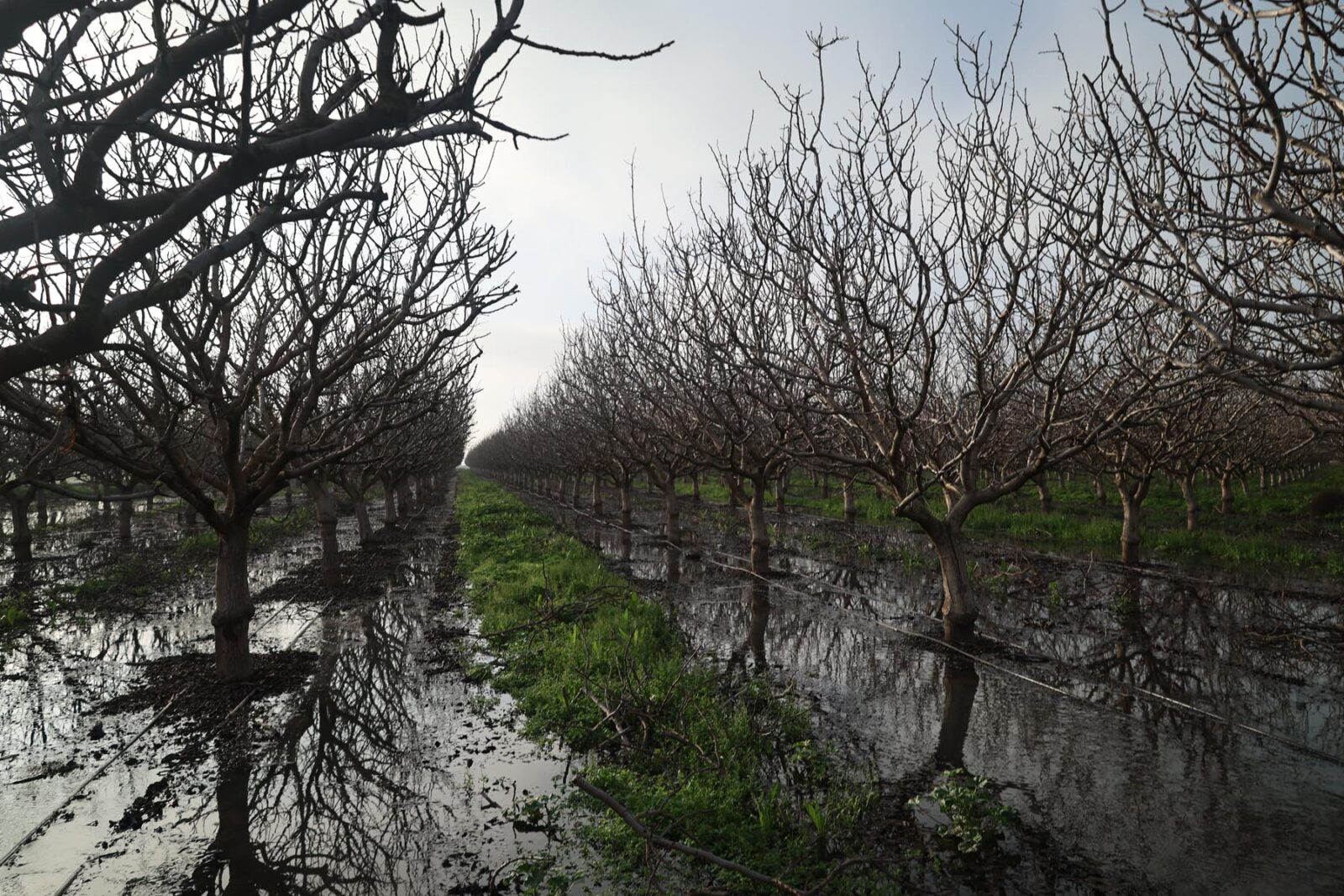
By participating in managed aquifer recharge (MAR) efforts, growers can be part of the solution to sustainably manage aquifers in ways that also benefit their operations. During wet periods, growers can work with their irrigation district or apply for rights or permits to spread excess surface water onto the land, facilitating percolation through the soil and replenishing aquifers. This practice helps support long-term regional water security, and often comes with benefits or incentives. MAR is not a one-size-fits-all solution, but for many growers, it can be an effective part of a broader groundwater management strategy.
Considerations
Successfully implementing micro-basins and on-farm recharge involves a few key factors:
Recharge Methods
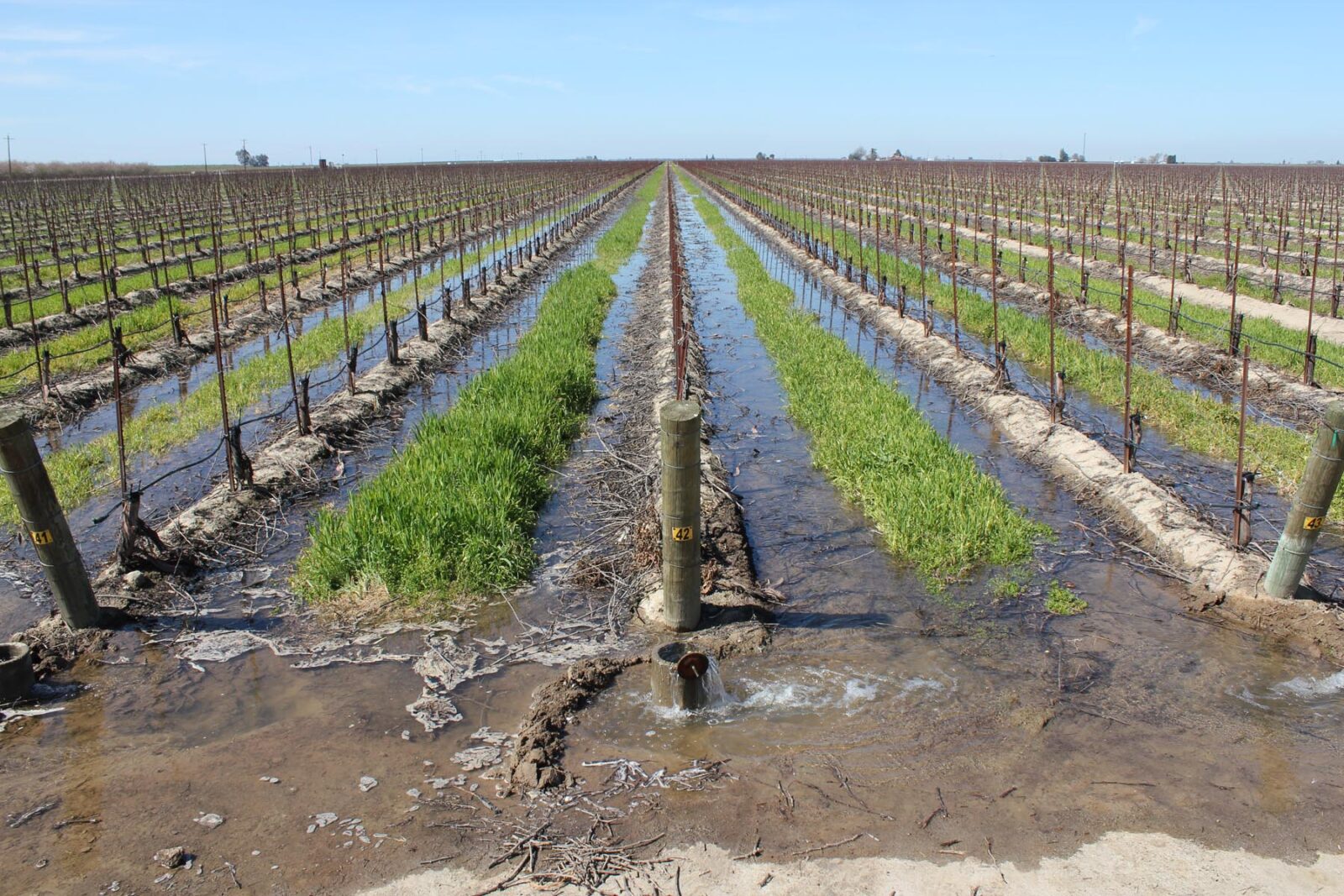
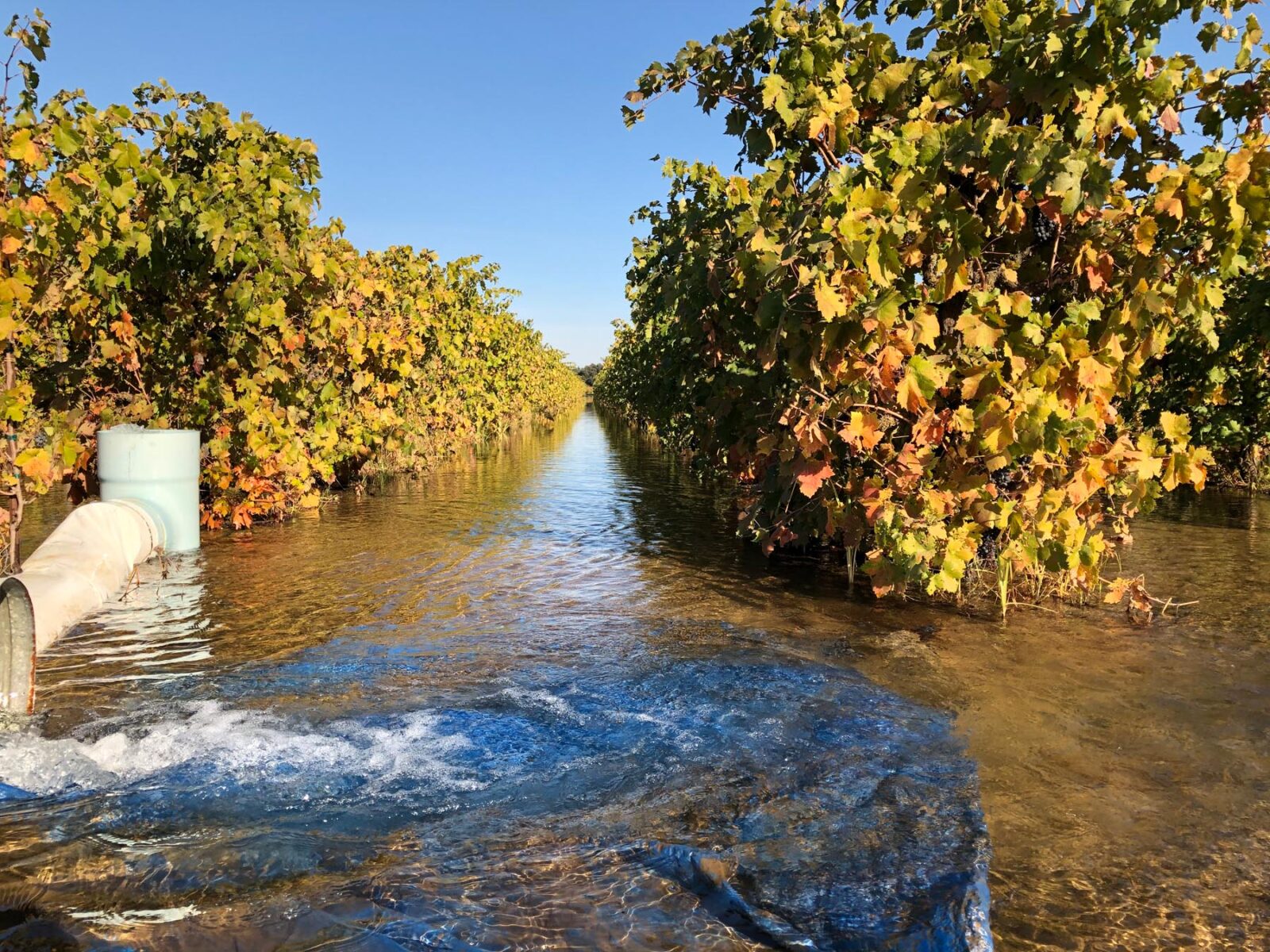
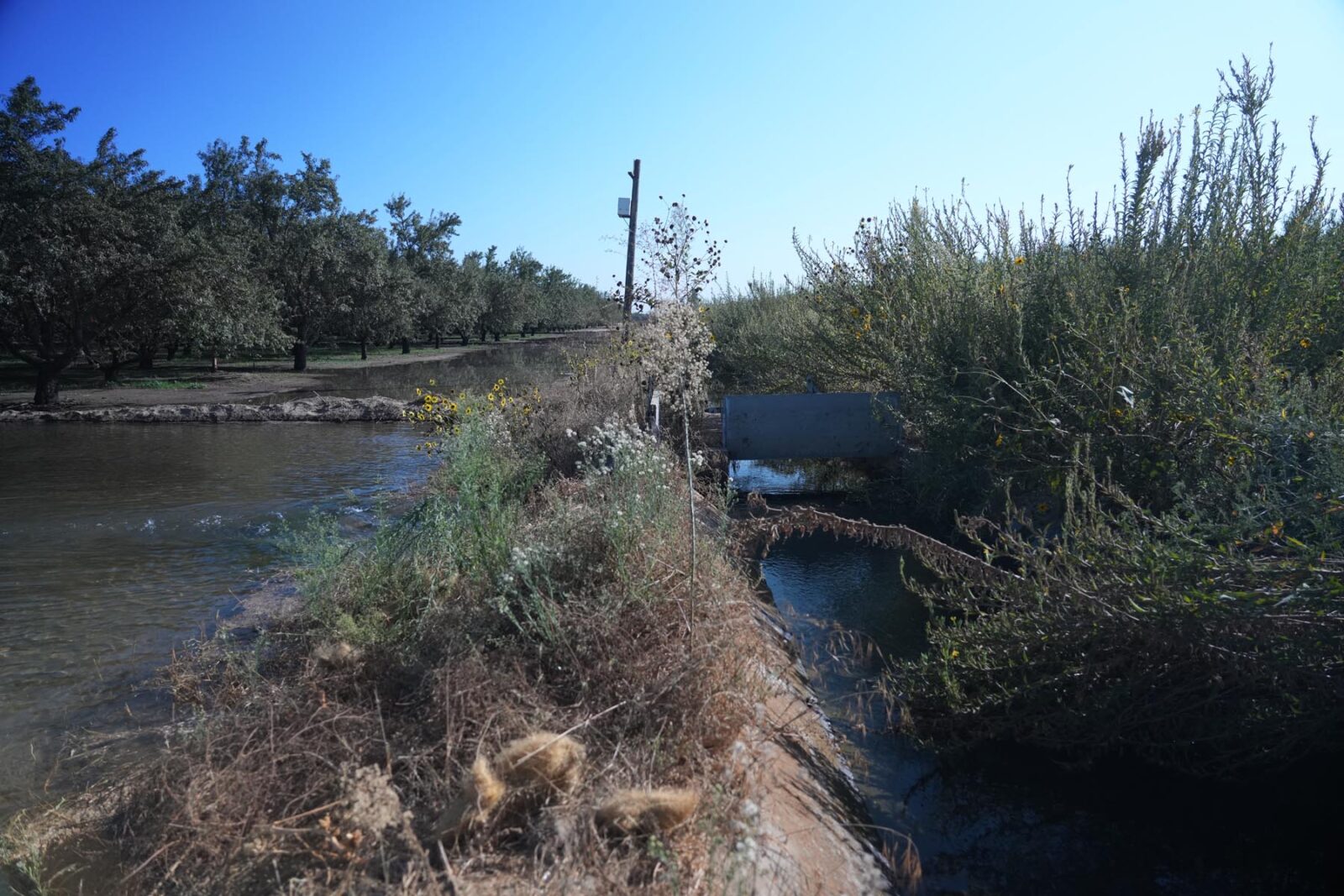
There are two primary mechanisms for MAR on private land. On-farm recharge (spreading excess surface water or floodwater onto farmland) takes place on active or fallow farmland, and is often a less costly method to implement, but cannot recharge water as quickly as more direct methods. Micro-basins (dedicated basins for receiving and infiltrating water) require less land area, and are capable of recharging water faster, but they are more permanent installations and are often costlier to install. Micro-basins often provide reduced risk to groundwater quality as well. Consider which forms of MAR make sense based on site-specific needs and constraints.
More information:
Water Availability
Water delivered from a water or irrigation district using existing infrastructure is the simplest way to get water for MAR, as it is easiest for a grower to operate under the umbrella of a water or irrigation district’s water rights. Ask your water or irrigation district about MAR opportunities. If you are not in a water district, you may be able to access water from a neighboring district if there is a way to physically move the water and if that district is willing to help with MAR projects outside of their territory.
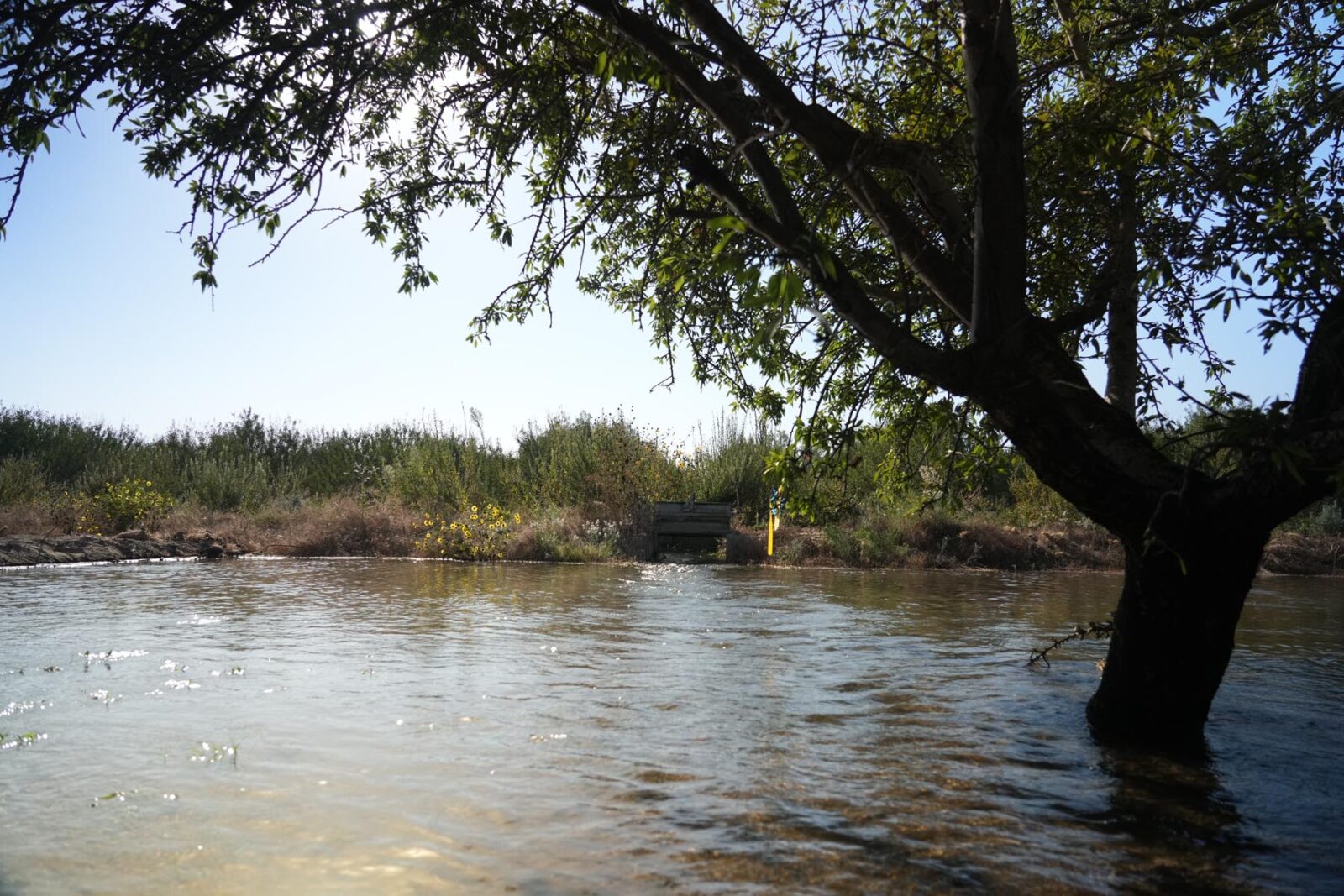
During a flood emergency, you may be able to use floodwater for MAR. Water Code 1242.1 allows for the diversion of floodwater from waterways for the purpose of recharging groundwater without obtaining a water right permit . Diversions under WC 1242.1 must be reported to the State Water Resources Control Board (SWRCB). Diversions from waterways outside of flood emergencies require specific water rights or temporary permits to divert.
Incentives to Recharge
Many water or irrigation districts and GSAs offer incentives to growers who would do MAR. These incentives could include free or heavily discounted water for MAR application, reimbursements for MAR operational expenses, groundwater pumping credits, or surface water bill credits. Talk to your district or GSA about incentives that may be available to you.
More information:
Surface Water Conveyance
To conduct MAR on a parcel of land, it must have access to conveyance infrastructure or natural waterways that allow for diversion of the water onto that land. Consider planning MAR projects in areas near such conveyance.
More information:
Soil Infiltration and Topography
Soils with high infiltration rates—like sandy or loamy soils—allow more water to percolate down to aquifers and reduce the risk of oversaturating the crop root zone. When conducting on-farm recharge, minimal slopes will also support more uniform infiltration and reduce erosion from runoff. In sloping areas unsuitable for on-farm recharge, common erosion control measures such as swales and berms can contribute to recharge by holding irrigation water and rainwater in place and facilitating infiltration. In some cases, micro-basins can also be designed to function on minor slopes where on-farm recharge is unsuitable.
Crop Health
For on-farm recharge, some crops tolerate winter flooding better than others, especially in soils with higher infiltration rates. For example, MAR on vineyards and orchards during dormancy may be feasible, and fields planted with annual crops later in the spring may support winter flooding.
More information:
Water Quality
If conducting on-farm recharge, the recharged water has the potential to move contaminants from the soil into the deeper aquifer, potentially harming groundwater quality. In some cases, MAR can improve groundwater quality by diluting concentrations of contaminants already in the groundwater supply. To mitigate the risk of contamination, best practices for fertilizer and pesticide applications should be established on the land. Repeated MAR on the same sites can also minimize the risk of contamination from new sites.
When planning to do MAR, consult tools such as the Nitrogen Leaching Hazard Index as well as any recent applications of pesticides that are prohibited in MAR areas, and consider conducting soil sampling and other on-the-ground techniques to further understand specific site conditions. Naturally occurring deposits of arsenic, uranium, and salts can also be mobilized by recharged water, and this risk should be evaluated before recharging near community and domestic wells. Consistent monitoring of water quality conditions is essential for minimizing risk of community drinking water contamination.
Visit the Recharge for Communities page for more information on MAR for community benefit.
Subsurface Conditions
The geology beneath MAR areas is important to consider, to ensure that water applied to the surface can reach the aquifer. Groundwater flow paths, depth to groundwater, and connections between the surface and the aquifer all affect MAR suitability.
Spatial Data:
- GRAT Viewer (Land IQ Groundwater Recharge Suitability)
Proximity to Community Wells
There are additional considerations when conducting MAR near wells that supply community drinking water. If conducting MAR near a known community well, visit the Recharge for Communities page for more information.
More information:
Funding Opportunities
Many water districts and GSAs have developed financial incentives to support MAR projects. Other programs, like the Multibenefit Land Repurposing Program (MLRP), offer incentives for MAR projects that provide additional benefits, such as open space access or habitat improvement. The USDA Natural Resources Conservation Service (NRCS) may also offer cost share programs or other incentives to support sustainable groundwater use, depending on the region. Please reach out to your GSA or water district to learn more about what incentives are available in your area.
- Multibenefit Land Repurposing Program
- NRCS Conservation Stewardship Program
- NRCS Environmental Quality Incentives Program
- BirdReturns Program
- Flood easements
- Regional fallowing programs
- For more information on incentives offered in each of the subbasins of the San Joaquin Valley: Groundwater Recharge Incentives and Strategies
Note: This report will be updated in 2026 with the latest incentives being offered
Grower Recharge Resource List
The resources outlined above, and more, for growers are provided below.
General Information
Rights, Incentives and Strategies
Groundwater Quality
Contact
Please email us to inquire further about recharge for growers, or to share additional relevant information. If you are considering on-farm recharge, Sustainable Conservation has experience working closely with growers to assist with site selection and evaluation, technical assistance, and more.
Contact email
Rogell Rogers
rrogers@suscon.org