Recharge for Districts & GSAs
The Issue
Groundwater overdraft is a shared challenge across California, especially in agricultural regions like the San Joaquin Valley. As implementation of the Sustainable Groundwater Management Act (SGMA) takes shape, water districts and Groundwater Sustainability Agencies (GSAs) are under increasing pressure to bring their groundwater basins into balance.
Recharge as a Solution
Managed aquifer recharge (MAR) can help stabilize groundwater levels, reduce the need for pumping cutbacks, and bring basins into SGMA compliance. Water districts are uniquely positioned to scale MAR efforts by identifying optimal MAR locations, leveraging conveyance infrastructure, and designing programs that enable and incentivize growers to participate in MAR initiatives. While MAR offers a path toward sustainability, its success depends on robust program design, grower participation, coordinated infrastructure management, and proper incentives development. Furthermore, the opportunity to achieve multi-benefit recharge outcomes for drinking water protection and ecosystem benefits can be incorporated into program design.
District-led MAR programs can include:
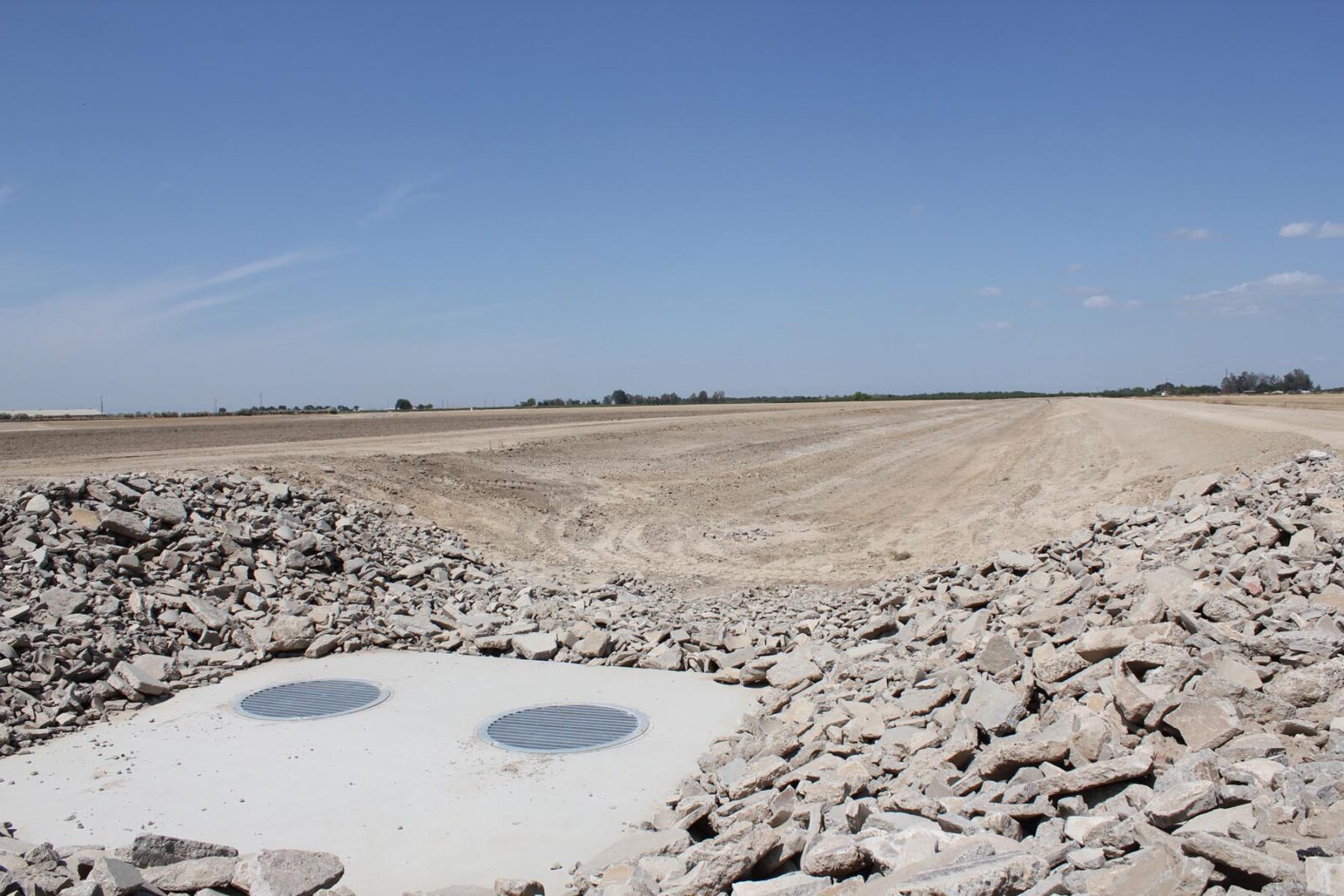
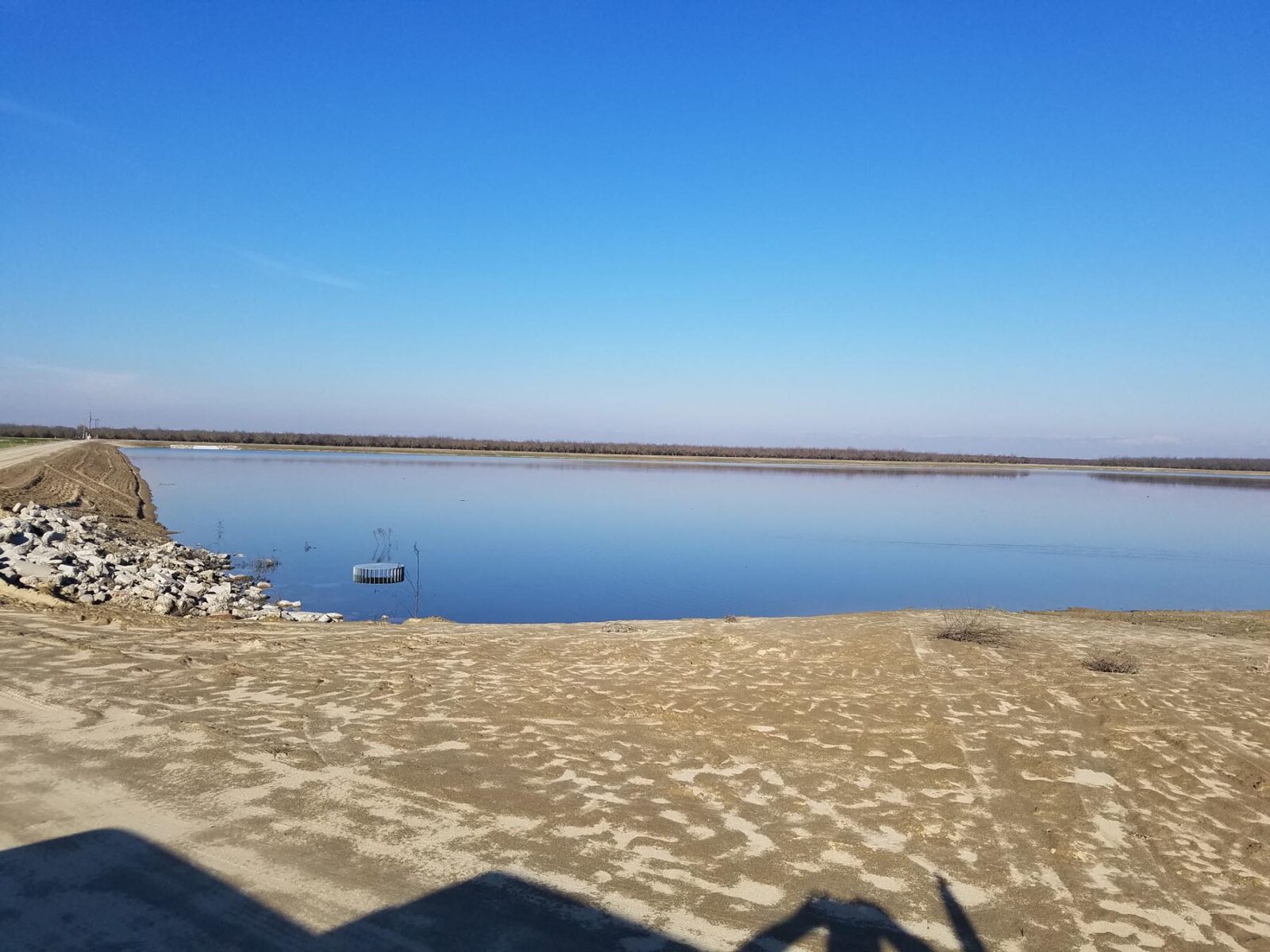
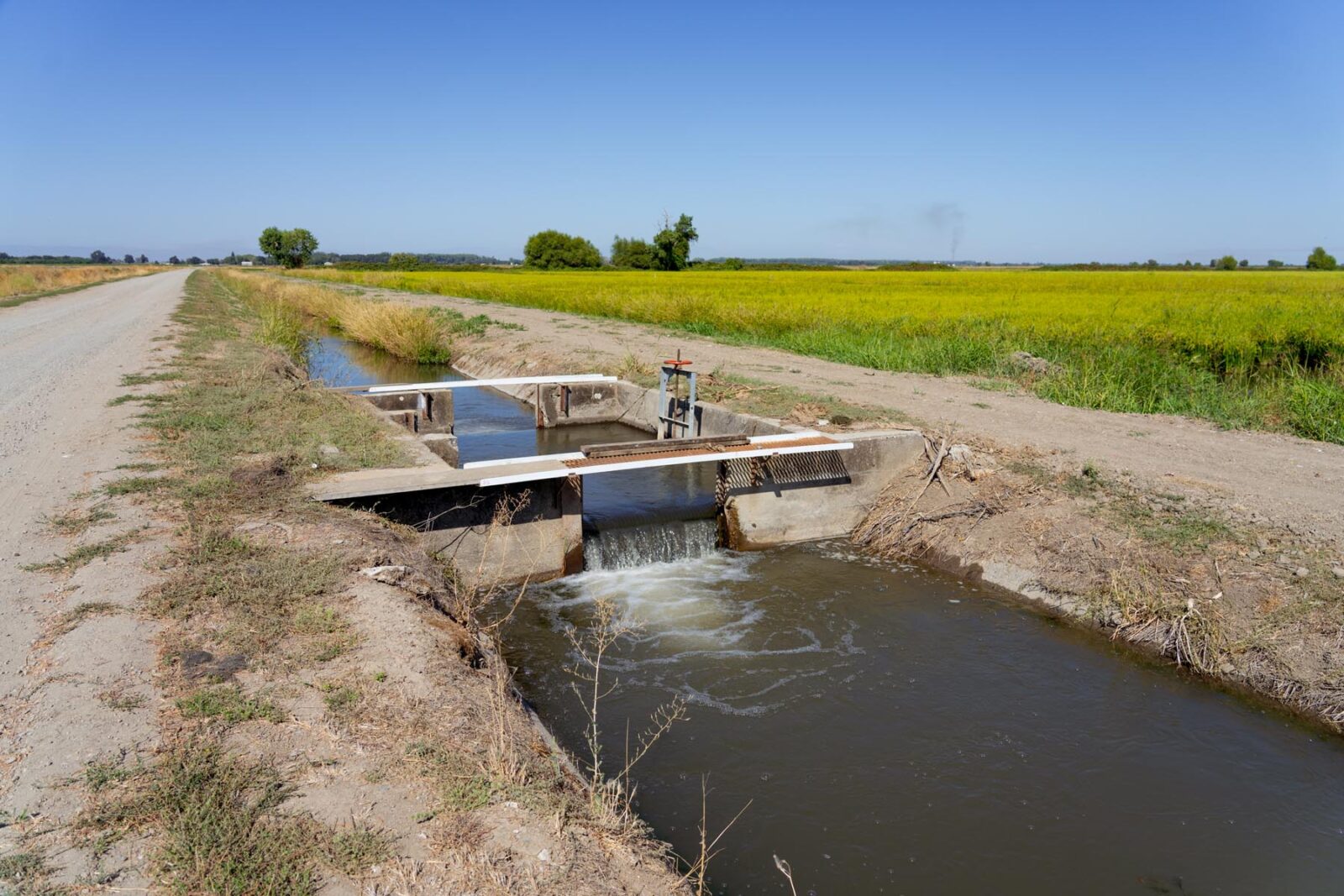
- Spreading floodwaters on district-owned lands (e.g., unlined canals, dedicated recharge basins)
- Incentivizing MAR on private farmland
- Partnering with non-district areas to apply excess district water to private or non-district lands.
- Coordinating use of emergency floodwaters for MAR
Considerations
Water districts play a central role in structuring MAR programs that are feasible, effective, and appealing to growers. Key elements to consider include:
Planning for Periods of Water Availability
Preparation for periods of water availability is essential to ensure that water available for MAR can be captured and distributed efficiently. When flow conditions are right for diversions and meet the SWRCB requirement of daily streamflow above the 90th percentile, water districts and GSAs interested in MAR must be ready. Districts and GSAs that have developed plans to coordinate efficient delivery of recharge water to MAR sites during periods of availability will be best positioned to maximize the benefits of MAR projects.
More information:
Planning for Flood Emergencies
Preparation for flood emergencies is essential for protecting people, land, and infrastructure, but it can also create significant opportunities for MAR. Under water code 1242.1, districts and landowners can divert floodwaters for MAR purposes without an appropriative water right if there is imminent risk of flooding downstream. Water districts and GSAs should develop robust response plans for flood risk situations and proactively identify where emergency floodwater will go, so it can be routed safely and efficiently to potential MAR sites while reducing downstream impacts. Systems for tracking and accounting of emergency flood diversions are also needed to meet SWRCB reporting requirements.
More information:
Water Rights and Delivery
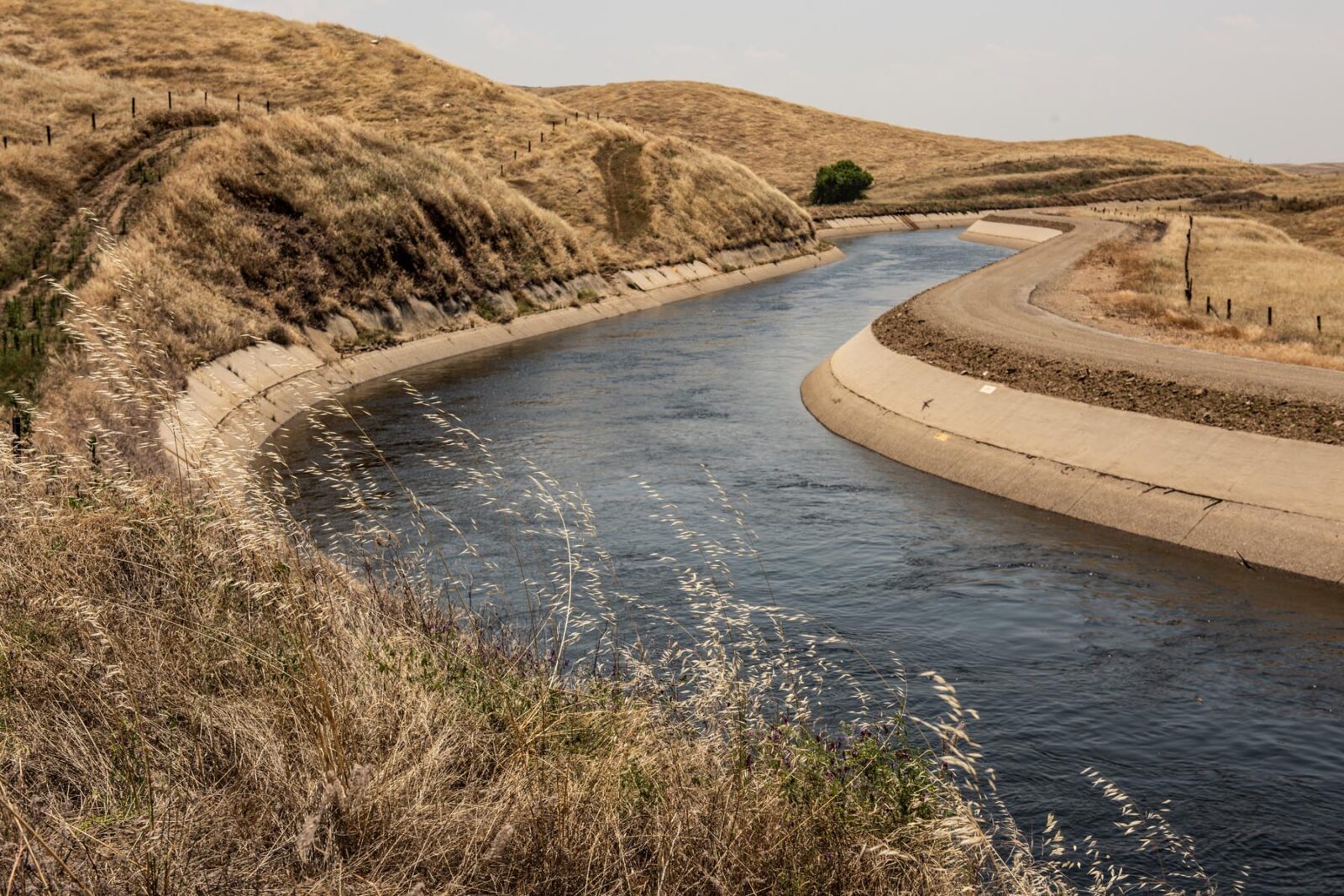
Ensure water used for MAR is legally available for diversions and can be reliably conveyed to MAR locations, and that diversions of emergency floodwater are properly planned for and carried out in compliance with Water Code 1242.1. Be clear on water rights and permits required to divert and apply water for MAR, and be a resource to communicate these requirements with growers and communities.
More information:
Recharge Methods
With a water right or permit, the easiest method for water districts to do MAR is to target existing district infrastructure. Unlined canals, district reservoirs and recharge basins, dry creeks, and floodplains can all receive managed amounts of water for recharge. Additional water can be directed to private landowners interested in MAR who may have ponds or recharge basins (dedicated basins for receiving and infiltrating water) to take water, or are interested in doing on-farm recharge (spreading excess surface water or floodwater onto farmland). While district or private recharge basins often can recharge more water per acre, diverting water to be spread over many acres of farmland can provide greater relief from flood peak flows. Visit the Recharge for Growers page for more information on MAR mechanisms on private land.
More information:
Targeting Priority Areas using Multi-Benefit Criteria
Districts can target key areas for MAR benefits. For example, recharge water could be prioritized for projects that would improve local drinking water resilience or benefit groundwater-dependent ecosystems (GDEs). When doing MAR for community benefit, it is important to work with local partners (e.g., trusted community leaders) and engage with the community to provide education on MAR and its impacts. Efforts should be made to leverage community knowledge on if and how MAR can be locally beneficial, and to connect with landowners interested in doing MAR.
More information:
Optimizing Recharge
Factors including soil suitability, crop compatibility, and conveyance capacity can be used to designate high-potential MAR zones. Districts and GSAs have partnered with Sustainable Conservation and Earth Genome to develop local Groundwater Recharge Assessment Tools (GRATs), which identify where, when, and how much MAR can occur based on the above factors and more when there is water available.
More information:
- See Recharge for Growers for more information on technical considerations for MAR site suitability.
Grower Engagement
Provide guidance, site assessments, workshops, and technical assistance to make participation easy and beneficial for growers. Sustainable Conservation is happy to support outreach and technical assistance needs.
More information:
Grower Eligibility Criteria
Outline requirements for growers to participate in programs and receive water (e.g., field conditions, land use type, conveyance access). Establish expectations regarding water quality considerations relating to nitrate, pesticides, and other possible contaminants.
More information:
Water Accounting and Incentives
Track MAR volumes and connect them to available grower benefits, such as credits for pumping allocations or reduced fees.
More information:
Check out Sustainable Conservation’s District Recharge Program Guidance, which offers additional detail on the above considerations and more to support districts and GSAs in designing locally successful and encompassing MAR programs.
Funding Opportunities
Many water districts and GSAs have developed financial incentives to support MAR projects. Other programs, like the Multibenefit Land Repurposing Program (MLRP), have awarded funding to districts and GSAs to offer incentives to growers for MAR projects that provide additional benefits, such as water quality or habitat improvement. The USDA Natural Resources Conservation Service (NRCS) may also offer cost share programs or other incentives to support sustainable groundwater use, depending on the region. Consider what forms of incentives or funding sources could work with projects in your area.
- Multibenefit Land Repurposing Program
- NRCS Conservation Stewardship Program
- NRCS Environmental Quality Incentives Program
- BirdReturns Program
- Regional fallowing programs
- For more information on incentives offered in each of the subbasins of the San Joaquin Valley: Groundwater Recharge Incentives and Strategies
Note: This report will be updated in 2026 with the latest incentives being offered
District and GSA Recharge Resource List
The resources outlined above, and more, for districts and groundwater sustainability agencies are provided below.
General Information
Rights, Incentives and Strategies
Groundwater Quality
Spatial Data
Additional Information
Contact
Please email us to inquire further about recharge guidance, incentives development, or funding opportunities for districts and GSAs, or to share additional relevant information.
Contact email
Wendy Rash
wrash@suscon.org