Recharge for Communities
The Issue
Many communities throughout California depend on groundwater as their primary drinking water source. As climate change and agricultural over-pumping contribute to declining groundwater levels, an increasing number of wells that supply drinking water to households are going dry. At the same time, communities are facing an increasing threat of floods as climate change causes weather patterns to grow more unpredictable and extreme.
Recharge as a Solution
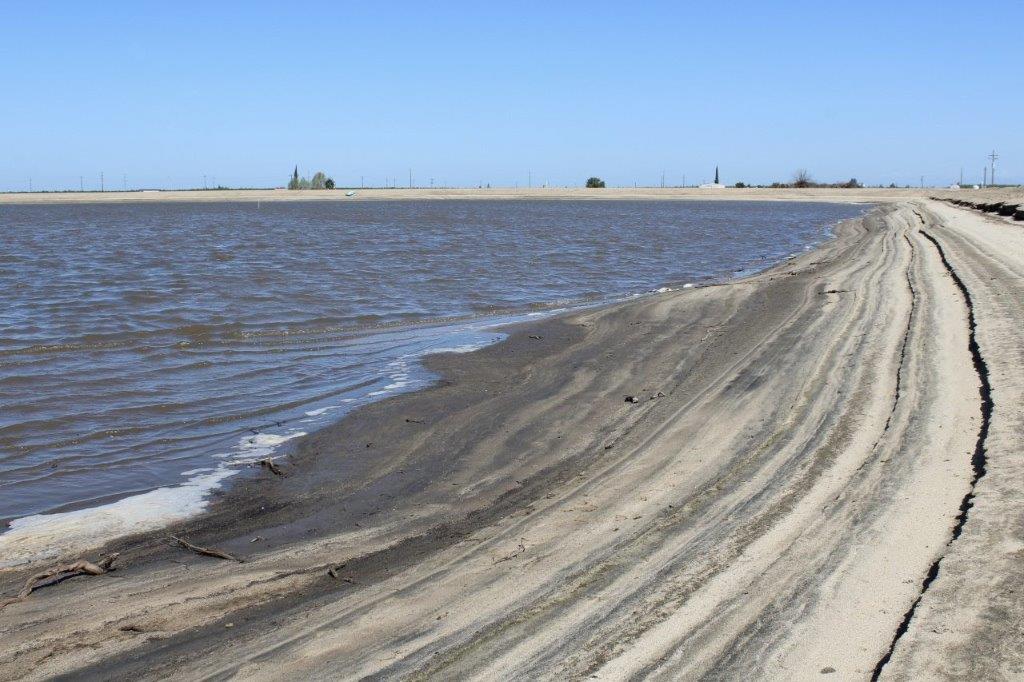
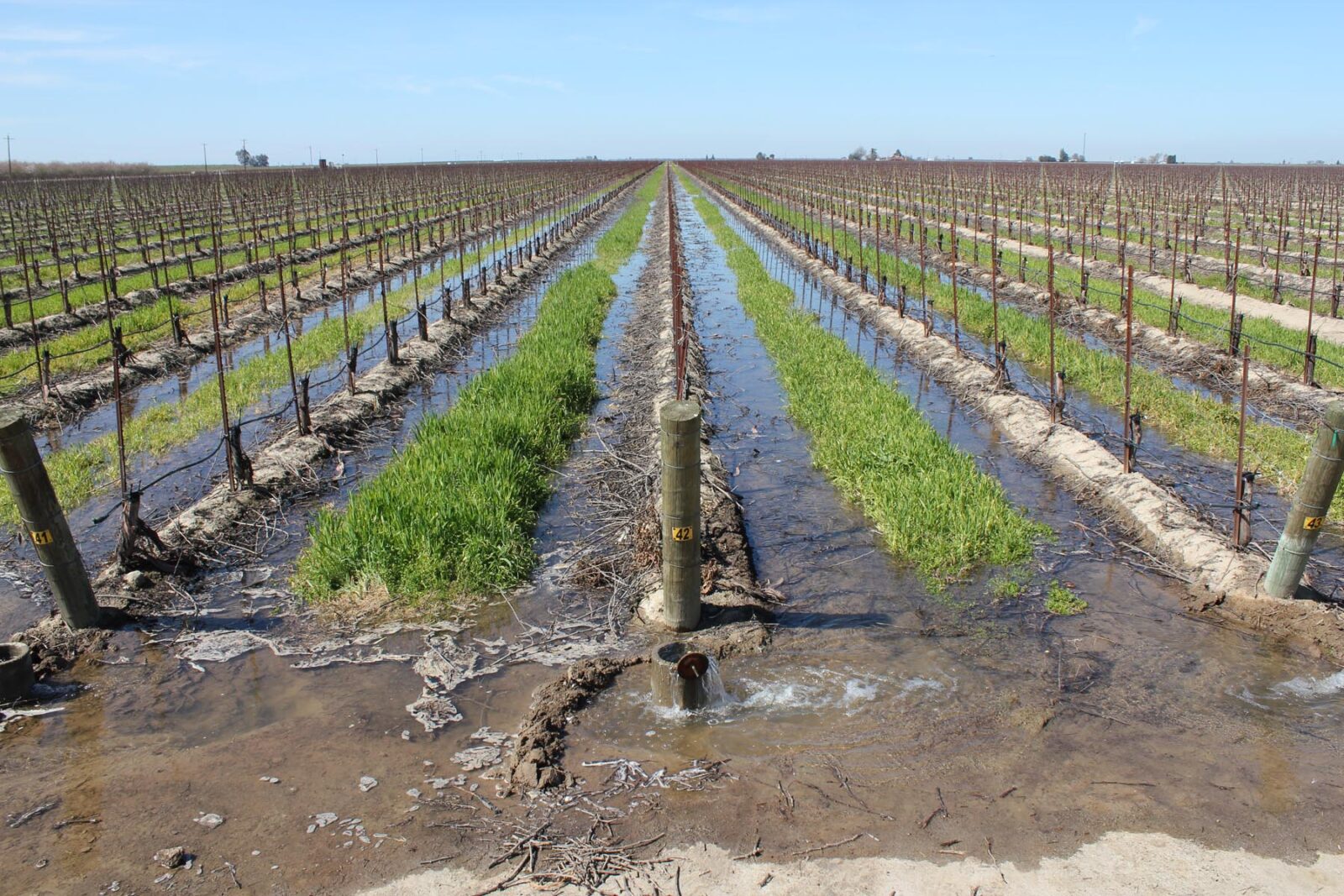
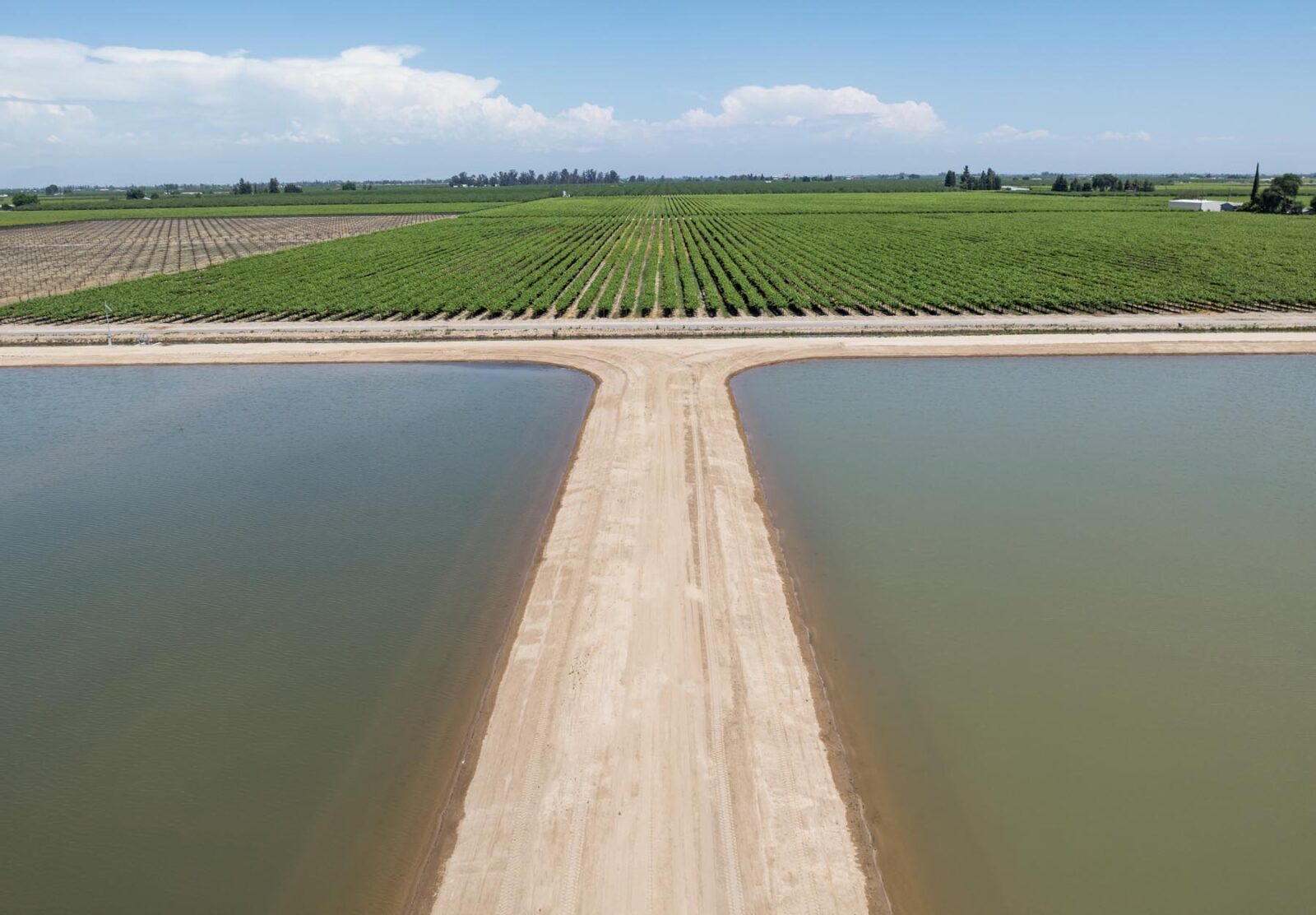
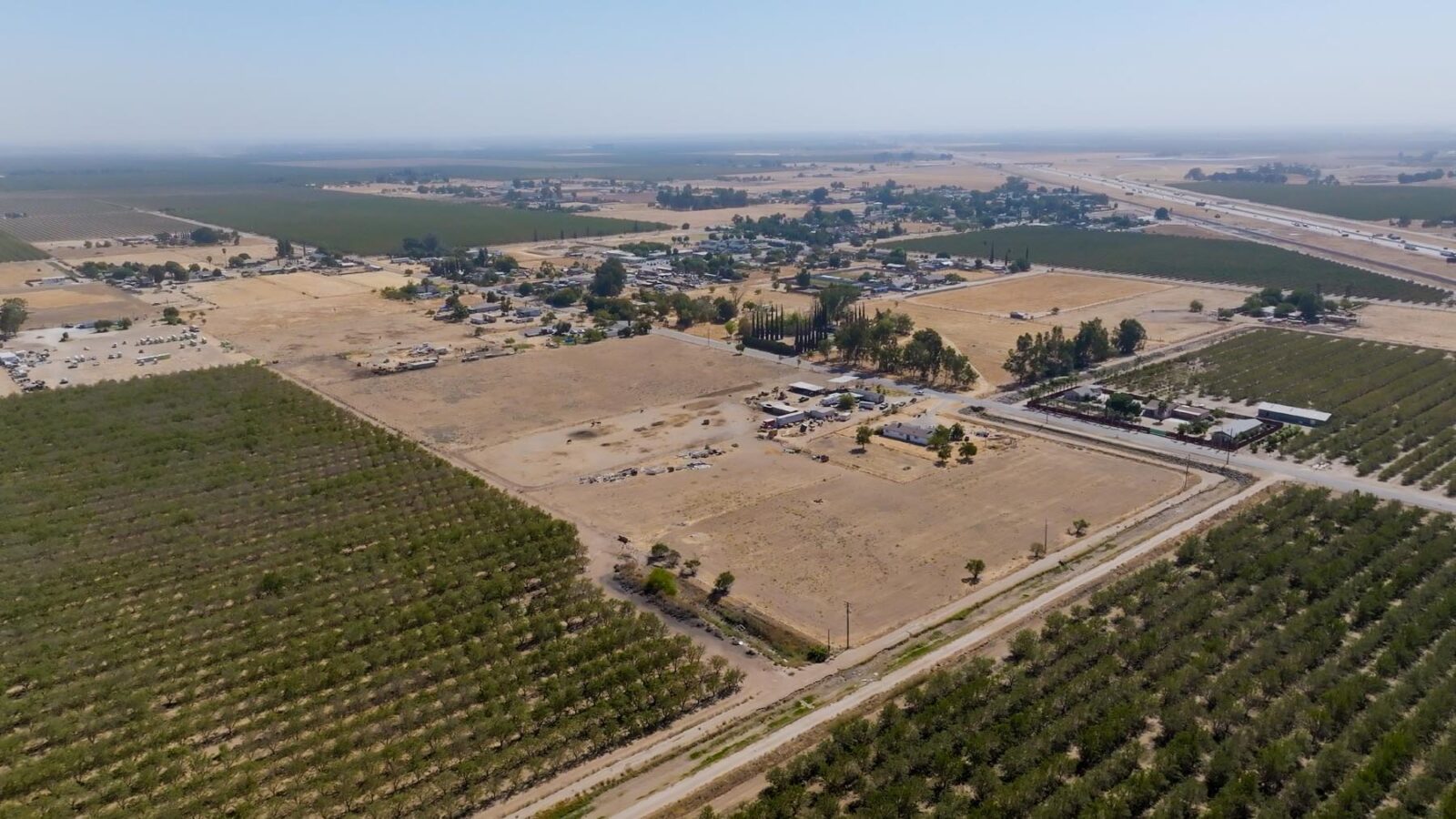
Water districts can support Managed Aquifer Recharge (MAR) for community benefit by using existing or purpose-built infrastructure such as basins or unlined canals to recharge groundwater near communities. On private land, MAR for community benefit can be done via micro-basin (dedicated basins for receiving and infiltrating water) or on-farm recharge (spreading excess surface water or floodwater onto farmland). While MAR will not reverse aquifer depletion on its own, it can play a crucial role in protecting community drinking water by helping to restore groundwater levels around dry or at-risk domestic or community wells. This form of multi-benefit recharge, which not only increases a basin’s groundwater supply but specifically targets MAR for community drinking water supply, can be a powerful strategy to support rural communities impacted by groundwater depletion. MAR projects can also be a method to reduce flood risk, by diverting a portion of peak flood flows away from communities and into basins or prepared fields for infiltration. MAR projects that target community drinking water supply while contributing to aquifer health must be scaled to build broader community resilience against groundwater depletion and drought.
Considerations
The following considerations can help community members and groups that work with communities determine how to do MAR for community benefit.
Advocate for MAR in Your Community
Consider what water-related challenges your community faces, and how MAR might help to address them. Is there a recent history of wells running dry? Is flooding an issue during heavy rains? Is there a lack of community open space or natural habitat? Connect with local landowners and other community members who may be interested in setting up a MAR project. Reach out to your water district, county government, or Groundwater Sustainability Agency (GSA) to see if MAR is a priority for them, and share with them how a MAR project would benefit your community, emphasizing potential multifaceted benefits.
More information:
Community Engagement
For groups or entities outside a community who want to implement MAR within a community, it is important to work with local partners (e.g. trusted community leaders) and engage with the community to provide education on MAR and its impacts, leverage community knowledge on if and how MAR can be locally beneficial, and connect with landowners interested in doing MAR. Attending locally organized events and hosting workshops are methods for working with a community to accomplish these objectives. Securing funding for community-based organizations is also an important way to engage with the community, by offering resources to support the work organizers are already doing and help build their capacity.
More information:
Targeting Dry or At-Risk Wells
MAR efforts can be targeted at specific community or domestic wells that have run dry or are at risk of running dry. MAR projects near wells that draw water from shallower aquifers can help to raise the local groundwater level and reduce the risk of wells running dry. Projects should prioritize wells that serve a large number of people, and target areas where recharged water will flow in the direction of the well. Care should be taken to ensure that risks of contamination are minimized, especially when conducting on-farm recharge.
More information:
Flood Risk Reduction
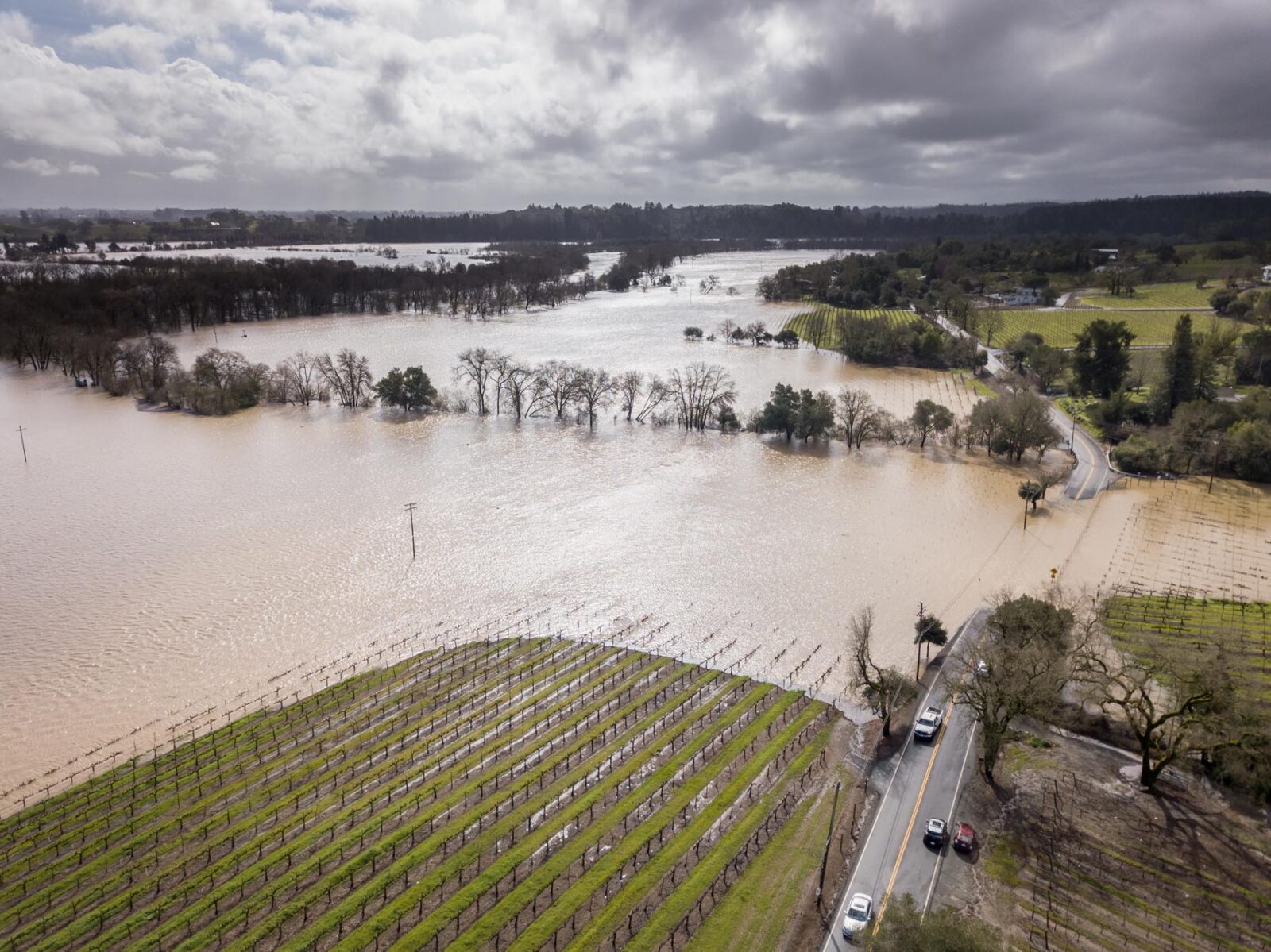
Areas that see repeated flood risk during high flow events can be targeted for relief with MAR projects nearby or upstream. During potential flood events, some of the peak flows that may overtop waterways and flood roads or low-lying areas can instead be shaved off and diverted to MAR sites, ideally those that can accept large volumes of water. District recharge basins, unlined canals, and private farmland prepared for MAR can all receive and hold water shaved from peak flood flows to reduce flood risk downstream. Expanding floodplains can also be an effective method for reducing flood risk by spreading and slowing flood flows naturally.
Spatial data:
Water Quality
MAR projects near wells that supply community drinking water pose the risk of carrying agricultural contaminants like pesticides and nitrogen into the source aquifer, potentially harming drinking water quality. Naturally occurring elements in the soil, including arsenic, uranium, and chromium, can also be mobilized by MAR. In some cases, MAR can improve water quality by diluting contaminants already in the aquifer. Planning considerations can be made to reduce the risk of contamination, and consistent monitoring of wells for changes in water quality is essential for identifying and minimizing risks.
More information:
- Visit the Recharge for Growers page for more information on protecting water quality during MAR
- Protecting Groundwater Quality While Replenishing Aquifers
Optimizing Recharge
To designate areas that can support MAR projects and provide local community benefits, technical factors like soil suitability and crop compatibility must be considered.
More information:
- Visit the Recharge for Growers page for more information on technical considerations for MAR site suitability
Additional Benefits
Consider implementing MAR practices that offer benefits in addition to community water supply and flood risk reduction. For example, constructing a habitat-friendly recharge basin in a community can provide ecosystem benefits as well as natural open space for residents to enjoy. Projects that incorporate additional benefits often attract more funding opportunities, such as through the Multibenefit Land Repurposing Program or corporate funding opportunities.
More information:
Surface water conveyance
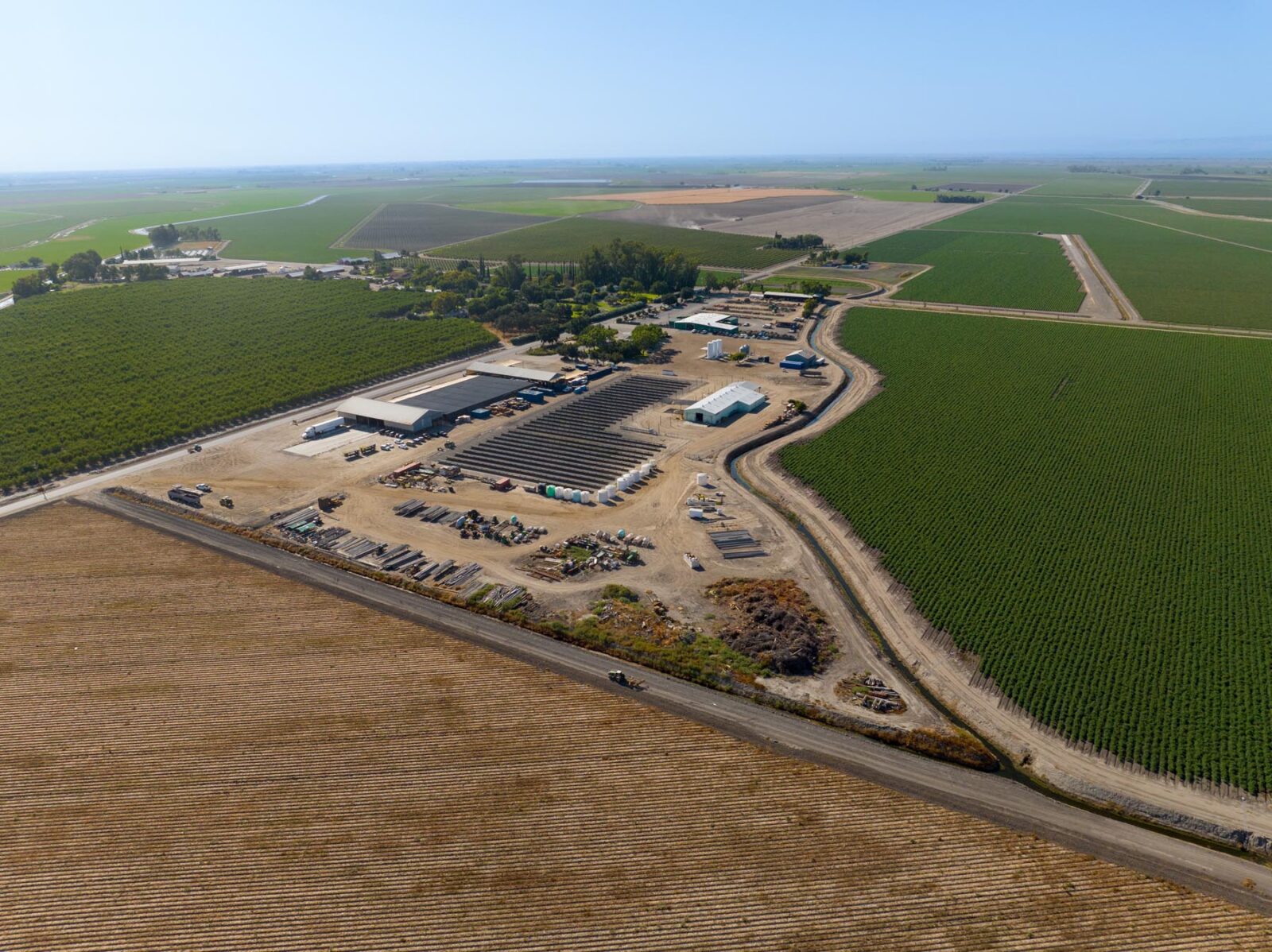
To conduct MAR on a parcel of land, it must have access to conveyance infrastructure or natural waterways that allow for diversion of the water onto that parcel. Consider planning MAR projects in areas near such conveyance. Communicate with your local irrigation district to negotiate access to conveyances for water deliveries, or to discuss possibilities for district-operated MAR projects in your area.
More information:
Funding Opportunities
Reach out to your local, county, and state agencies about funding opportunities and assistance with planning MAR projects. Sustainable Conservation is also able to provide assistance with connecting projects to funding opportunities.
Community Recharge Resource List
The resources provided above, and more, for recharging for communities are below.
General Information
Recharging for Multiple Objectives
Recharge and Water Quality
Case Study on Community Engagement for Groundwater Resilience
- Community-Driven Solutions for Groundwater Resilience StoryMap
- Community-Driven Solutions for Groundwater Resilience paper (when published)
Spatial Data
Contact
If you are considering how to recharge for community benefit, Sustainable Conservation has the expertise to assist with community engagement, site selection and evaluation, and more. Please email us to inquire further about recharge for communities, or to share additional relevant information.
Contact email
Roshni Katrak-Adefowora
rkatrak@suscon.org