Recharge for Policymakers
The Issue
Communities across California are facing growing obstacles to achieving long-term water security, including declining groundwater levels, degradation of aquatic and riparian ecosystems, groundwater contamination, and flood risks from increasingly unpredictable weather patterns. These issues impact the health and safety of California’s communities and ecosystems as well as the stability of the state’s large agricultural industry, and their effects are often disproportionally felt by disadvantaged populations. Efforts to address these issues require enthusiastic collaboration between policymakers, agencies, and local stakeholders to be effective in supporting a stable and equitable water future.
Recharge as a Solution
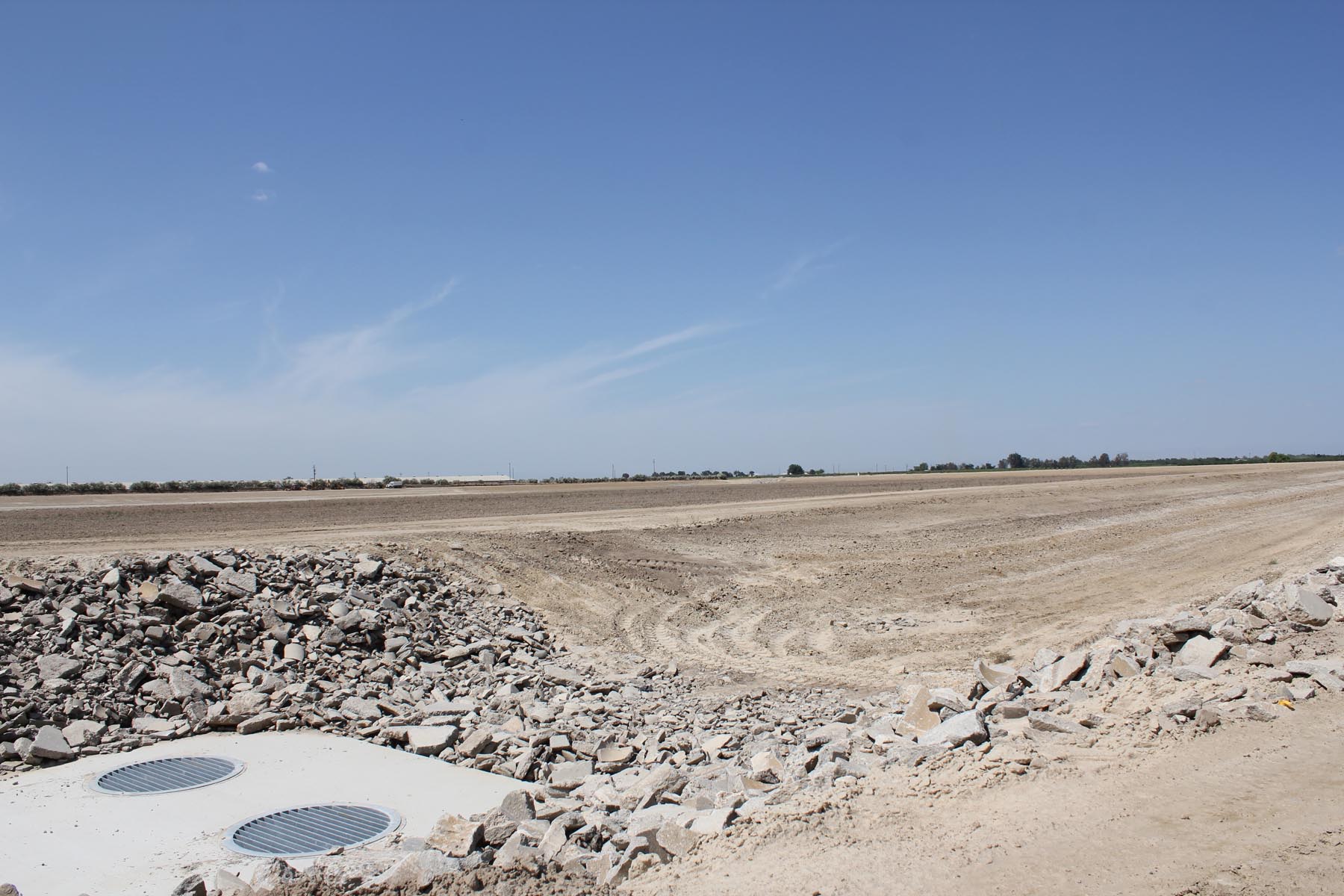
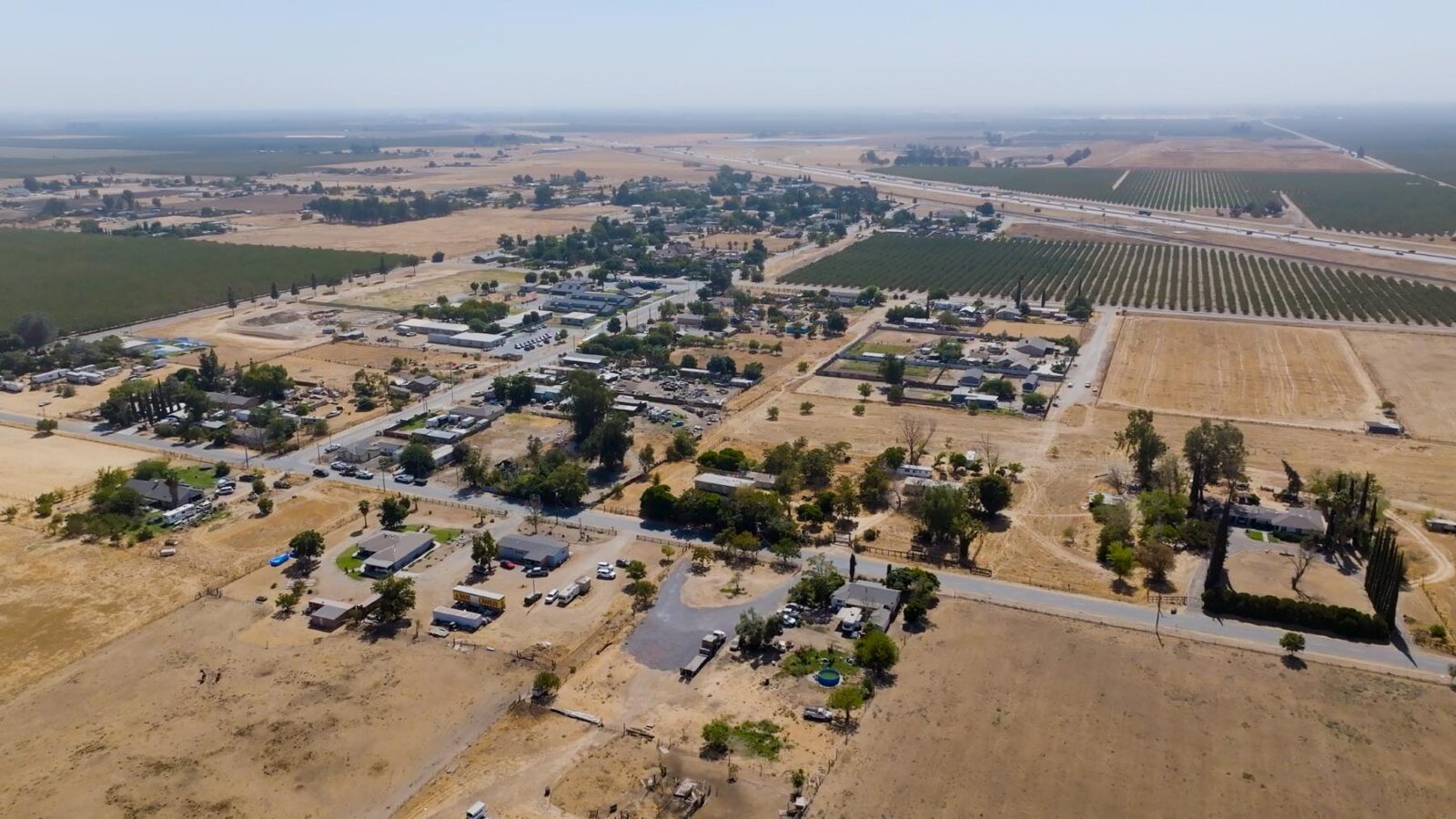
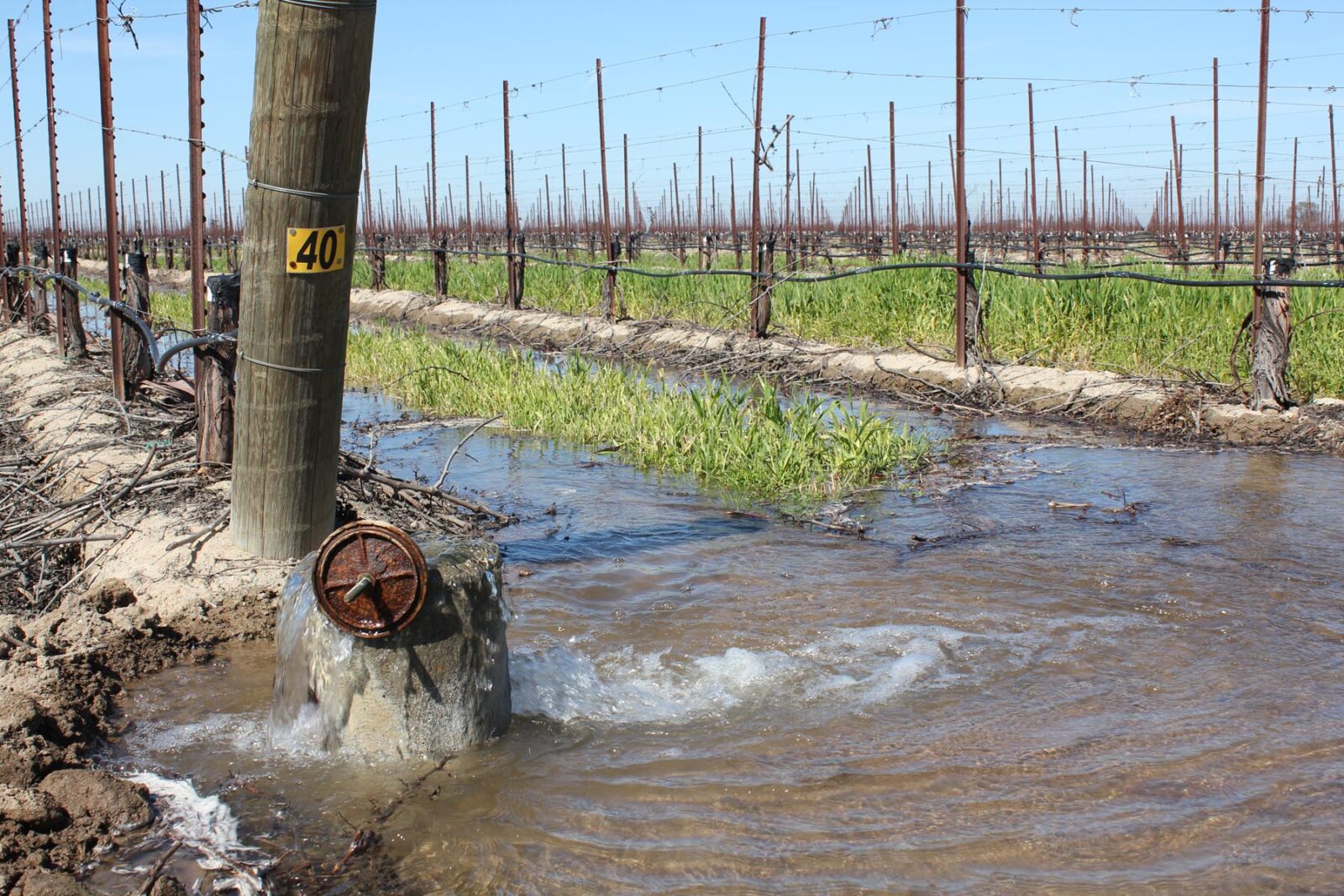
Managed aquifer recharge (MAR) can be an effective tool for building regional water security by replenishing depleted groundwater, improving habitat as part of MAR program design, and reducing flood risk by capturing and diverting floodwaters. MAR projects can also be paired with land repurposing projects to create open spaces and other community assets.
Policymakers can support effective MAR projects by:
- Adequately funding technical assistance for growers and communities navigating water rights related to MAR.
- Introducing legislation to advance streamlined water rights permitting for MAR projects that include robust considerations of community and ecosystem needs. We recommend that water rights permitting for MAR should consider functional flows for habitat needs.
- Supporting the allocation of Proposition 4 water resource dollars in the state budget towards scaling MAR programs that include multibenefit outcomes.
- Being advocates for environmental justice efforts within MAR, and working to elevate voices in disadvantaged communities (DACs). Establish legal requirements or guidelines that ensure MAR benefits are distributed equitably.
Considerations
Policymakers play a crucial role in promoting and supporting MAR efforts that are feasible, effective, and beneficial for affected parties. Key elements to consider include:
Targeting Priority Areas using Multi-Benefit Criteria
Proposals can target key areas for MAR benefits. For example, recharge water could be prioritized for projects that would improve local drinking water resilience or benefit groundwater-dependent ecosystems (GDEs).
More information:
Community Engagement
When doing MAR for community benefit, it is important to work with local partners (e.g., trusted community leaders) and engage with the community to provide education on MAR and its impacts, leverage community knowledge on if and how MAR can be locally beneficial, and connect with landowners interested in doing MAR.
More information:
Optimizing Recharge
Factors including soil suitability, crop compatibility, and conveyance capacity can be used to designate high-potential MAR zones.
More information:
- Visit the Recharge for Growers page for more information on on technical considerations for MAR site suitability
Water Accounting and Incentives
Work with GSAs to establish simple frameworks for tracking MAR volumes and connecting them to available or new grower benefits, such as credits against pumping allocations or reduced fees.
More information:
Water Rights and Delivery
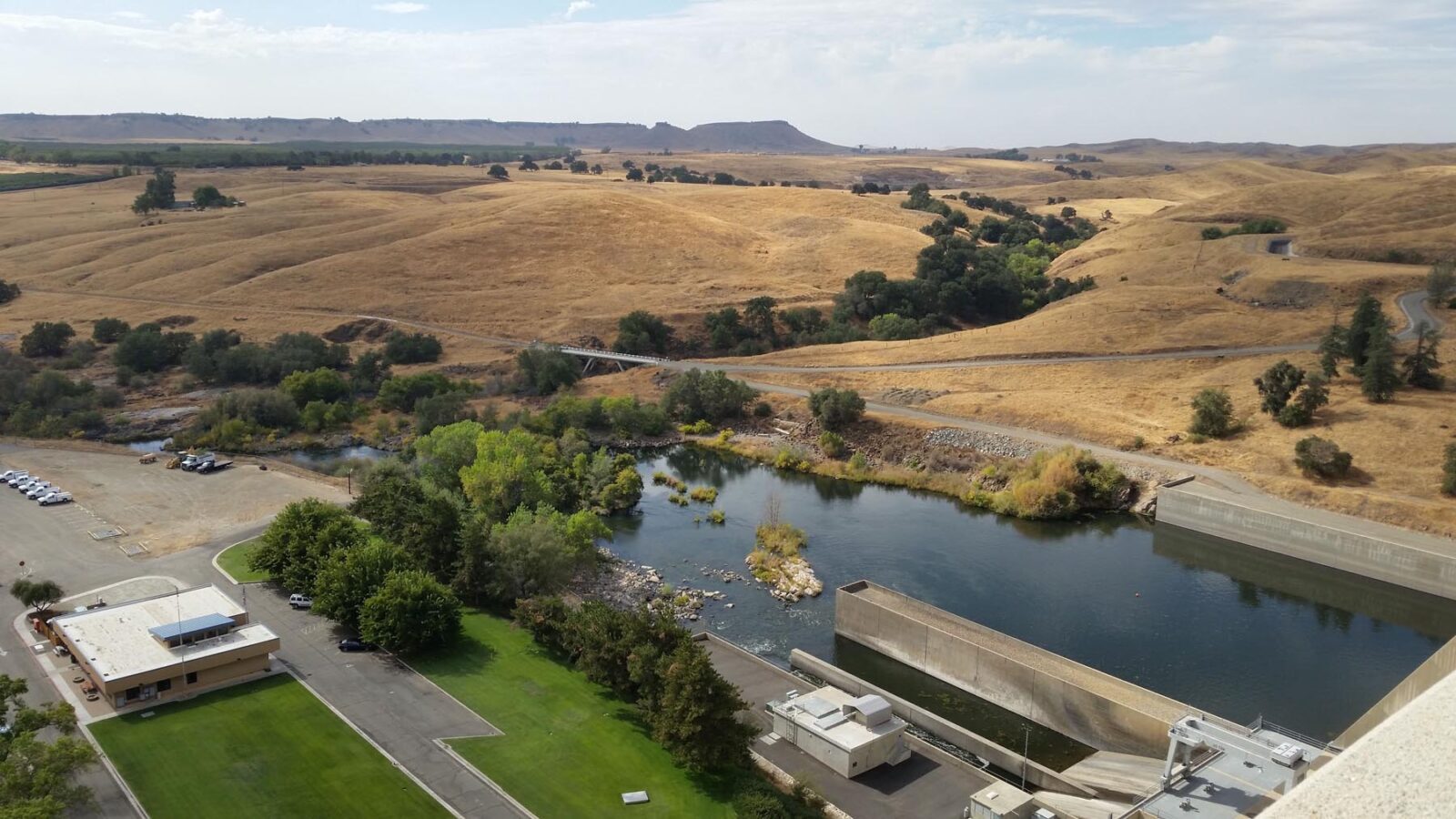
Ensure water used for MAR is legally available for diversions and can be reliably conveyed to MAR locations. Be clear on water rights and permits required to divert and apply water for MAR, and be a resource to communicate these requirements with growers and communities.
More information:
Grower and Community Assistance
Provide legal guidance and public forum opportunities to make participation accessible and easy for growers and communities.
More information:
Funding Opportunities
Federal and state agencies continue to develop programs that offer funding opportunities for MAR projects, especially when paired with additional benefits to local communities or the environment. Many irrigation districts and GSAs have also developed incentive programs for growers to participate in MAR projects.
Policymaker Recharge Resource List
The resources provided above, and more, for MAR considerations for policymakers are below.
General Information
Recharging for Multiple Objectives
Rights, Incentives and Strategies
Recharge and Water Quality
Case Study on Community Engagement for Groundwater Resilience
- Community-Driven Solutions for Groundwater Resilience StoryMap
- Community-Driven Solutions for Groundwater Resilience paper (when published)
Contact
If you are interested in how policymakers can support recharge efforts, Sustainable Conservation has the expertise to assist with partner engagement, funding pathways and strategies, and more. Please email us to inquire further about recharge for policymakers, or to share additional relevant information.
Contact email
Richael Young
ryoung@suscon.org