Recharge for Ecosystems
The Issue
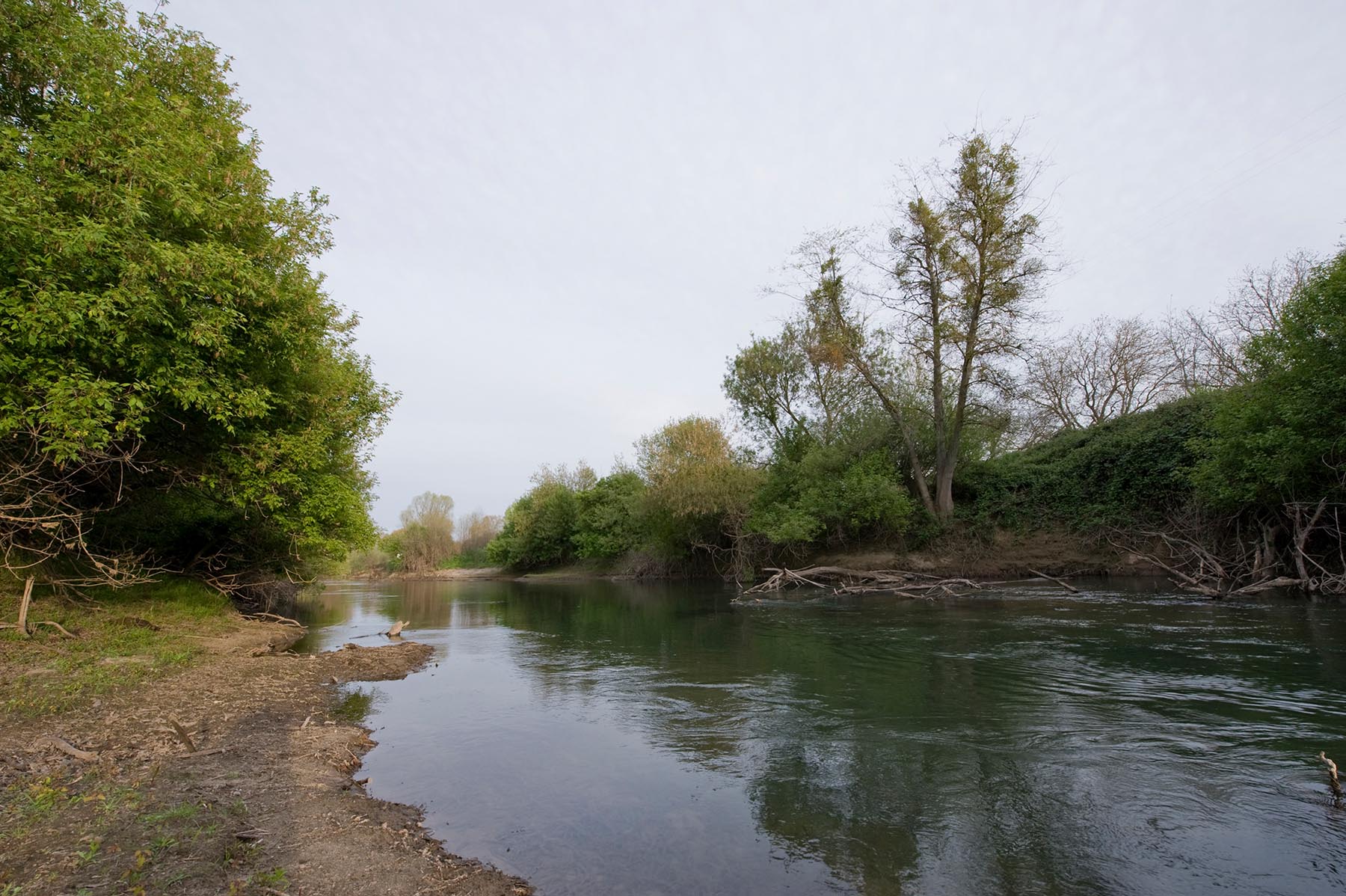
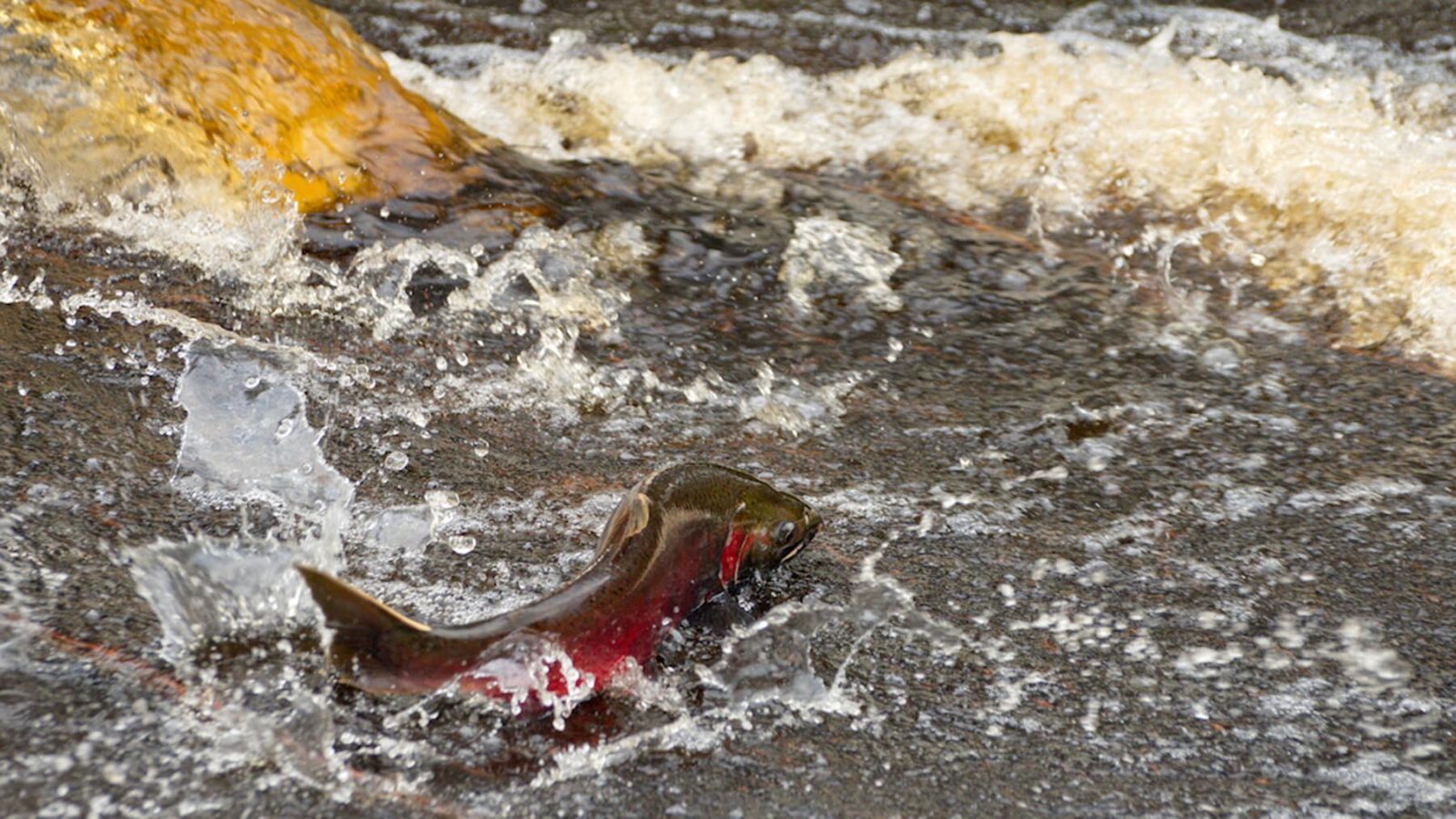
Water is a key component in ensuring the health and persistence of ecosystems. Many habitats, from wetlands to natural waterways like rivers, are disappearing in California due to climate change and human impacts like urbanization. Protecting and restoring these threatened habitats is essential for preserving healthy, diverse ecosystems. In addition, many ecosystems specifically rely on groundwater for some or all of their needs. These groundwater-dependent ecosystems (GDEs), which can be aquatic, riparian, or terrestrial, will need expanded commitments to sustainable groundwater management if they are to persist and thrive.
Recharge as a Solution
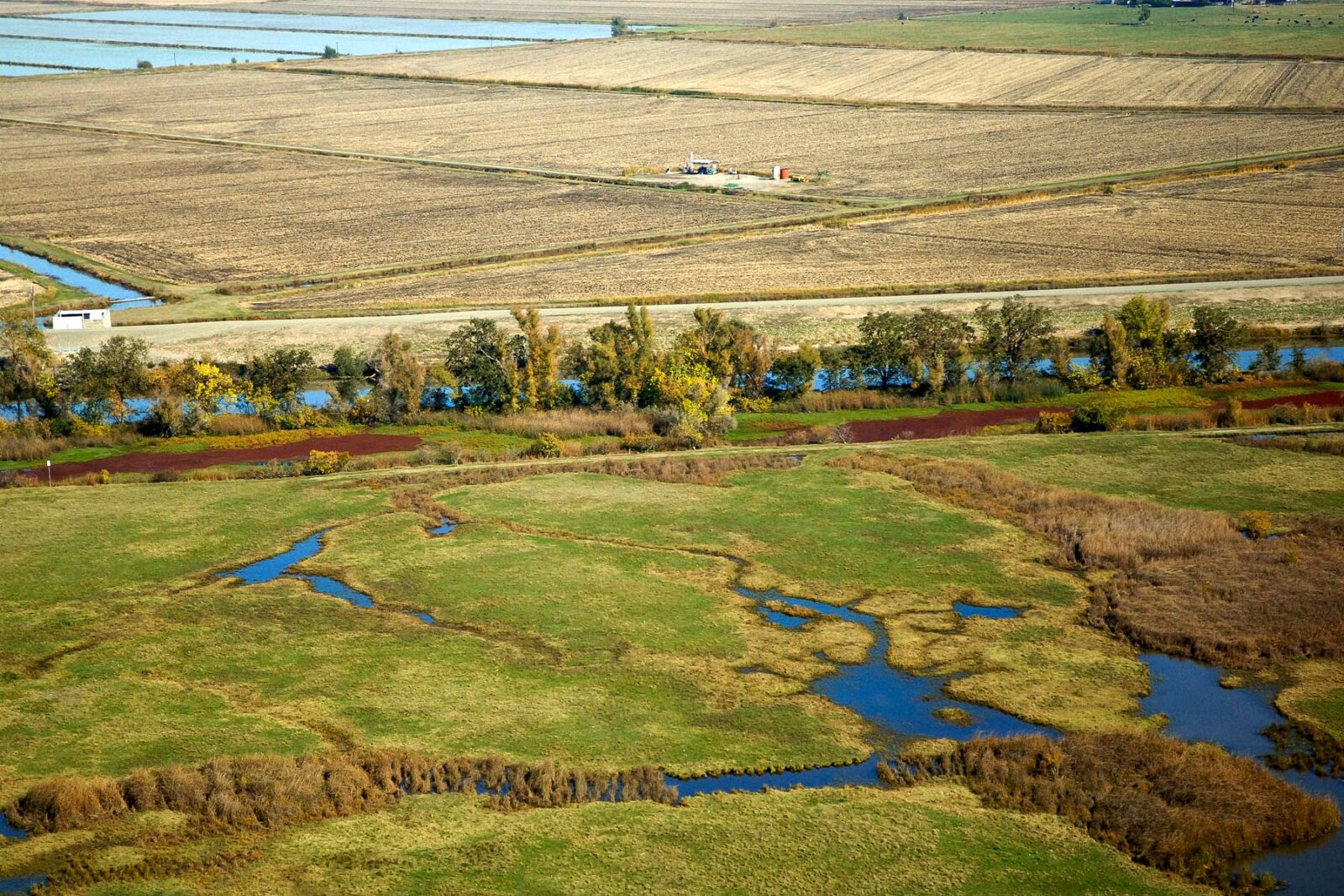
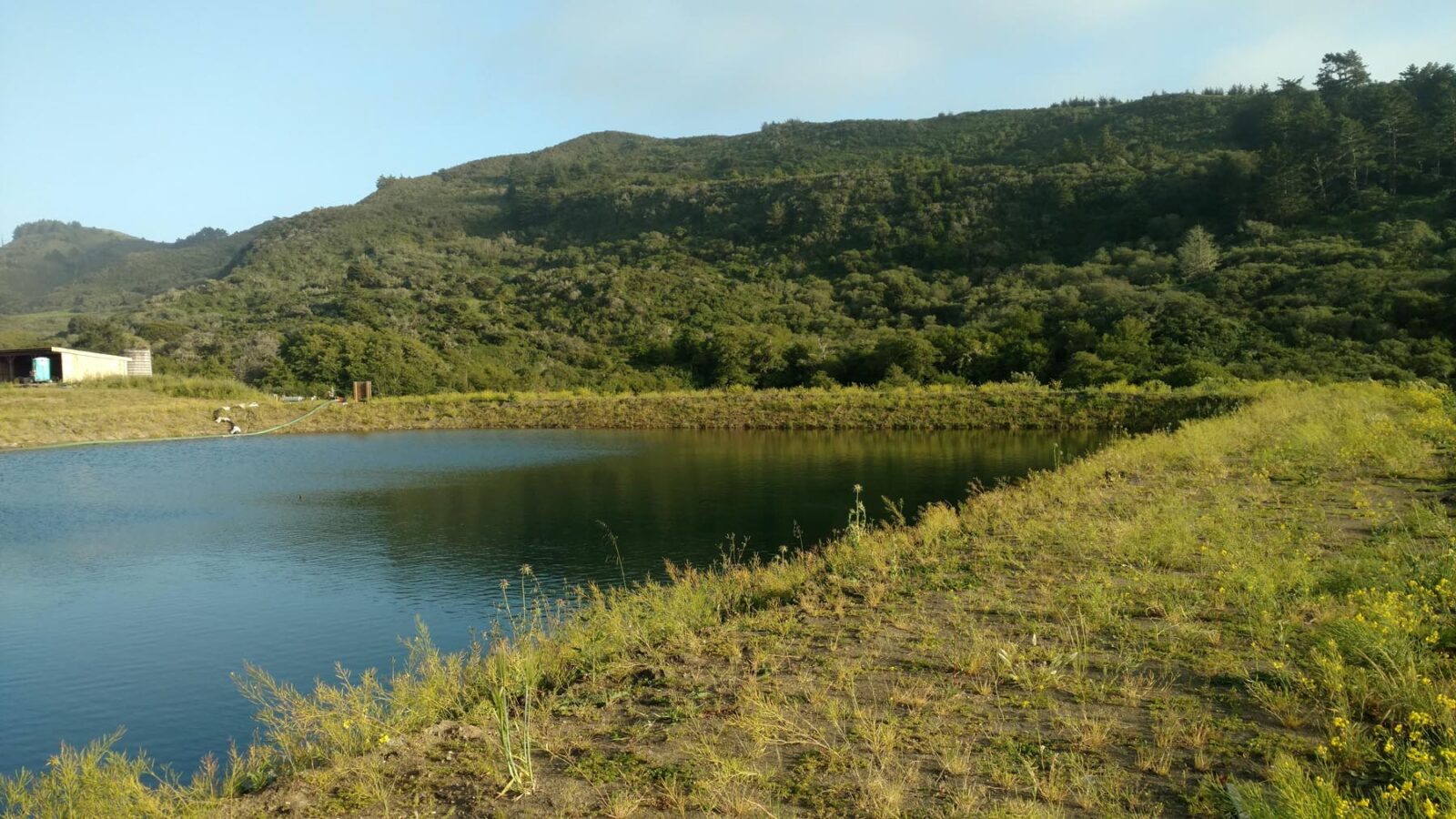
Surface water that is captured and diverted for managed aquifer recharge (MAR) can provide myriad ecosystem benefits while helping to restore groundwater levels. For example, wildlife-friendly recharge basins would have gently sloped sides to allow animals to come and go freely, and would be planted with native species to function as habitat for pollinator, avian, and terrestrial species. Floodplain restoration can be designed to help recharge groundwater along rivers and creeks, in addition to providing valuable habitat and flood risk reduction. Flow-through basins—dedicated habitat-friendly basins installed alongside flashy creeks and streams to receive floodwater, thereby slowing it down and recharging aquifers—can provide similar benefits. Once the recharged water enters the groundwater, it can help maintain or improve groundwater levels for GDEs if applied in targeted management areas for GDE benefit. MAR projects that pair aquifer and ecosystem benefits must be scaled to better support threatened natural communities and the groundwater they depend on.
Considerations
The following considerations can help in determining how to do MAR for ecosystem benefit:
Habitat Connectivity
MAR projects that create or support habitat close to existing habitat can improve habitat connectivity. Connected habitat facilitates the movement of species, allowing plant and animal populations to thrive.
Surface Water Conveyance
To conduct MAR on a parcel of land, it must have access to conveyance infrastructure or natural waterways that allow for diversion of the water onto that parcel. Consider planning MAR projects in areas near such conveyance. Communicate with the local irrigation district to negotiate access to conveyances for water deliveries, or to discuss possibilities for district-operated MAR projects in your area.
Alternatively, those without access to surface water might be able to improve the infiltration of overland flow on their land by alternative means. Creating berms and swales on sloping terrain or rewilding natural swales can help to slow and infiltrate runoff. Planting these areas with native vegetation further enhances their ecological function and may aid in improving the soil’s ability to slow, infiltrate, and hold excess water.
More information:
Optimizing Recharge
Different MAR methods can provide different ecosystem benefits. On-farm recharge and recharge via unlined canals can benefit groundwater-dependent ecosystems by helping to raise the local water table, while specially designed recharge basins or MAR on floodplains can create or improve habitat for local aquatic, riparian, or terrestrial ecosystems. To designate areas that can support MAR projects and benefit local or groundwater-dependent ecosystems, technical factors like soil suitability, subsurface geology, and crop compatibility should be considered.
More information:
- Visit the Recharge for Growers page for more information on on technical considerations for MAR site suitability
Additional Benefits
Consider implementing MAR practices that pair ecosystem enhancement with other benefits. For example, constructing a habitat-friendly recharge basin in a community can provide ecosystem benefits as well as natural open space for residents to enjoy. In addition, floodplain restoration along creeks that flood near communities can help shave off the peak flood flows and thereby reduce downstream flood risk.
More information:
Funding Opportunities
There are vast funding opportunities for ecological restoration projects that can incorporate groundwater recharge benefits. We have provided a list of some opportunities below, but it is by no means exhaustive. Research additional funding opportunities that may support your project needs.
- Multibenefit Land Repurposing Program
- BirdReturns Program
- DWR Grants and Loans
- California Wildlife Conservation Board (WCB)
- San Francisco Bay Restoration Authority (SFBRA) Measure AA
- Coastal Funding Database – Coastal Quest
- Proposition 4 Climate Bond Programs
- Proposition 1 Water Bond Programs
- Corporate donors
- Flood easements
- Conservation easements
- Habitat mitigation banks
Ecosystem Recharge Resource List
The resources provided above, and more, for recharging for ecosystems are below.
General Information
Recharging for Multiple Objectives
Multibenefit Recharge
Contact
If you are considering how to recharge to benefit ecosystems, Sustainable Conservation has the expertise to assist with partner engagement, site selection and evaluation, and more. Please email us to inquire further about recharge for ecosystems, or to share additional relevant information.
Contact email
Aysha Massell
amassell@suscon.org